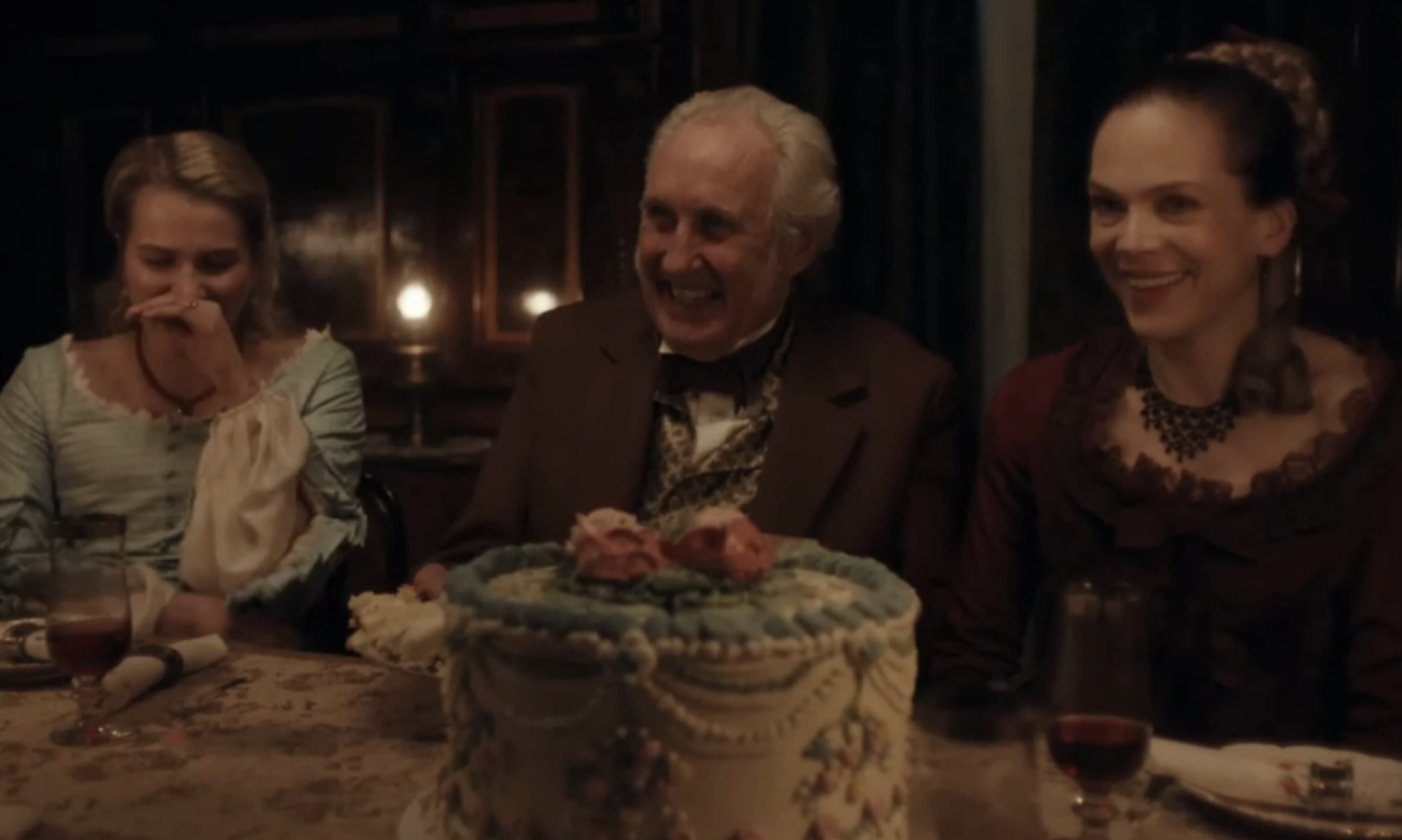
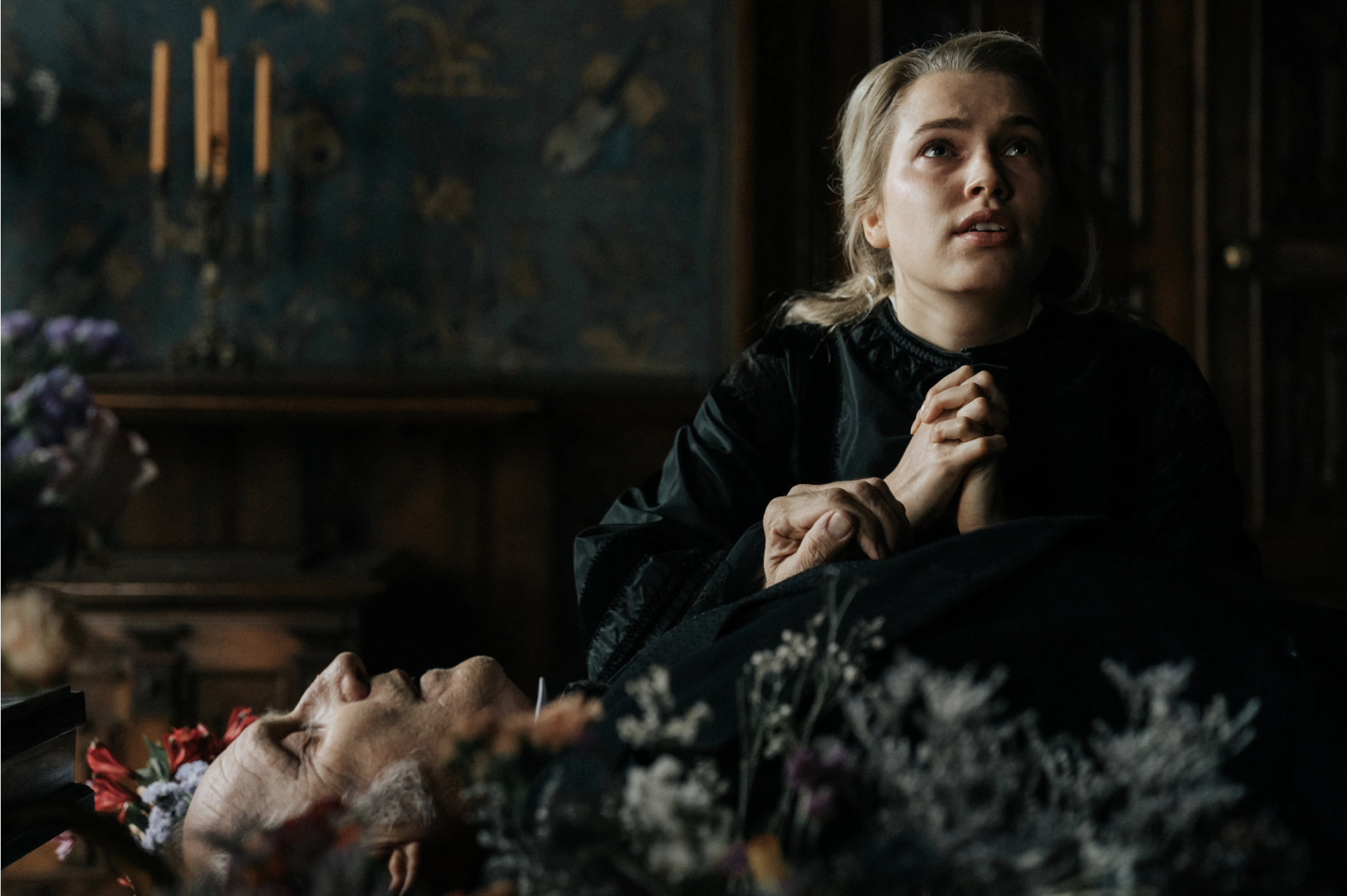
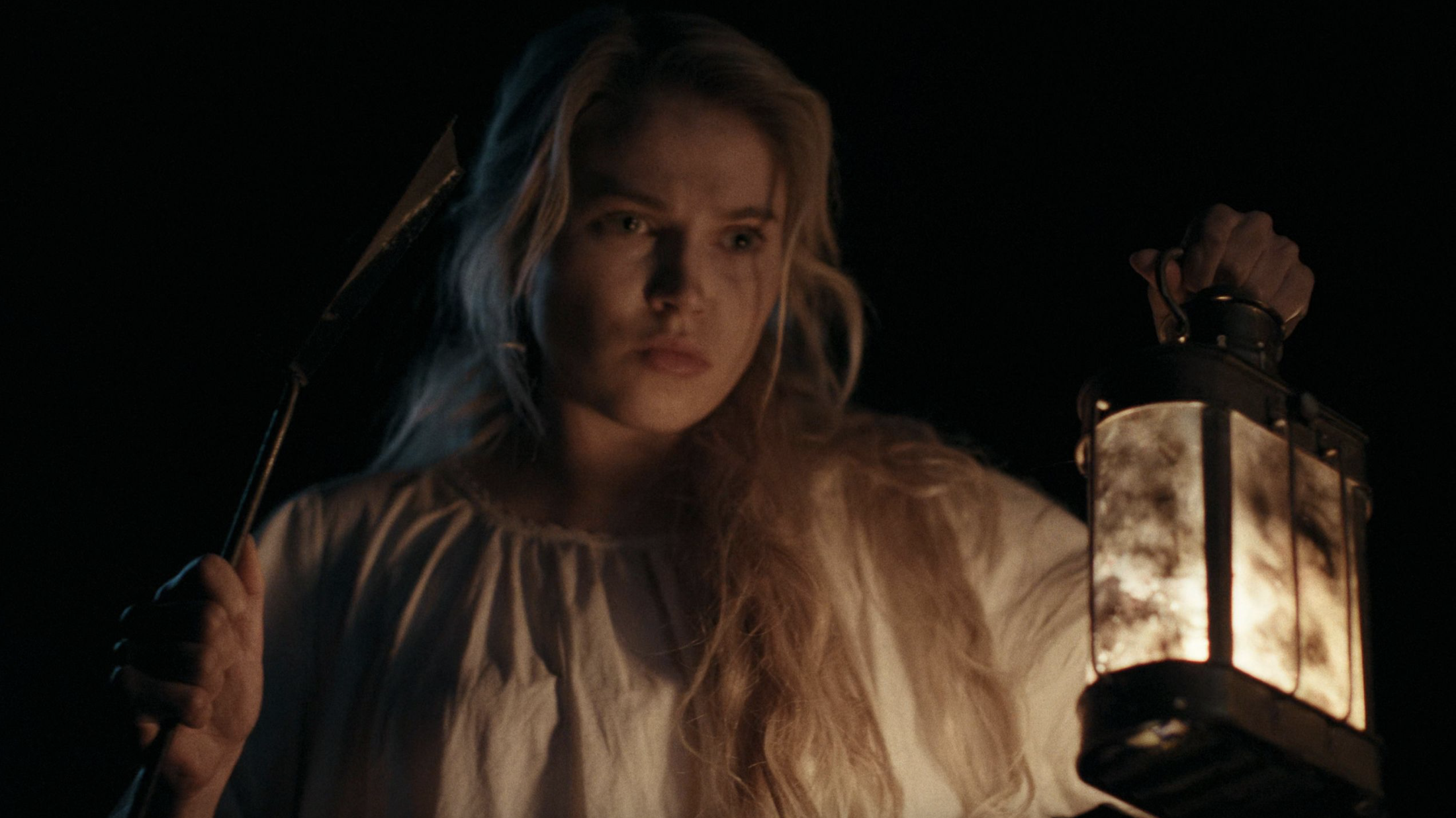
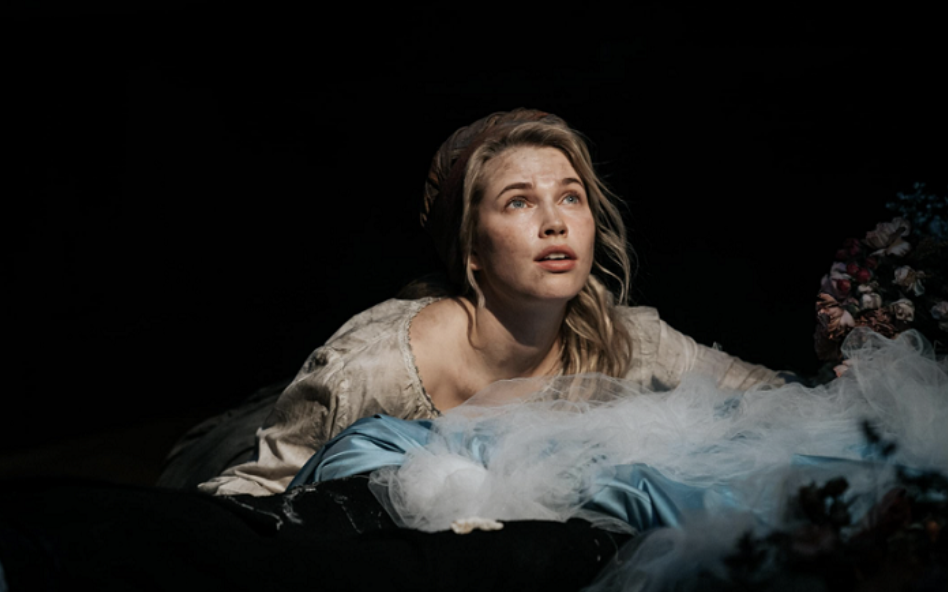
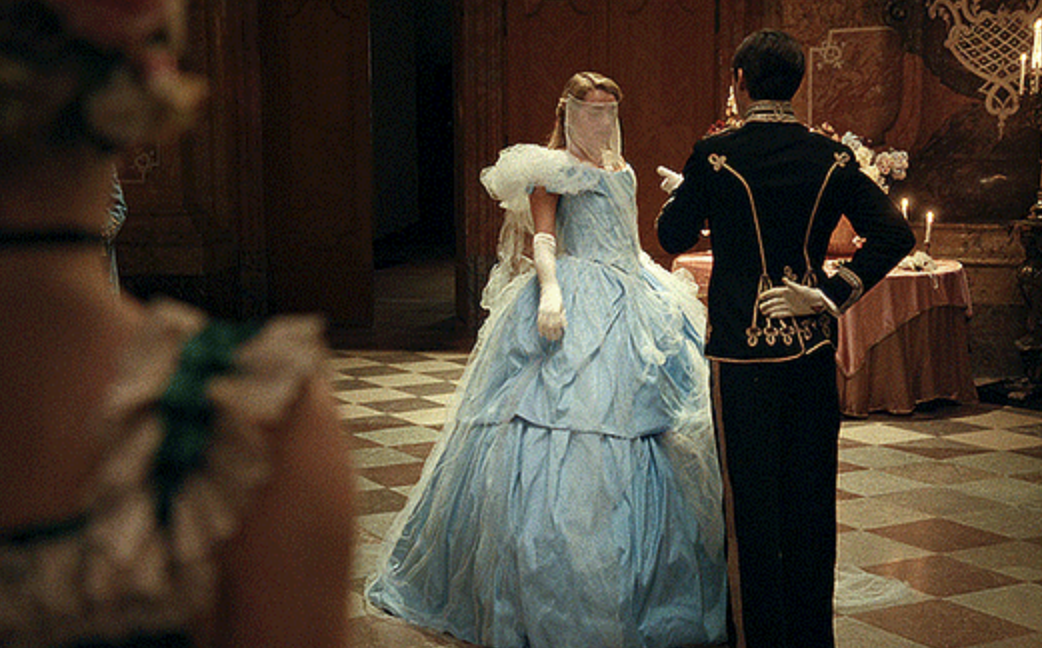
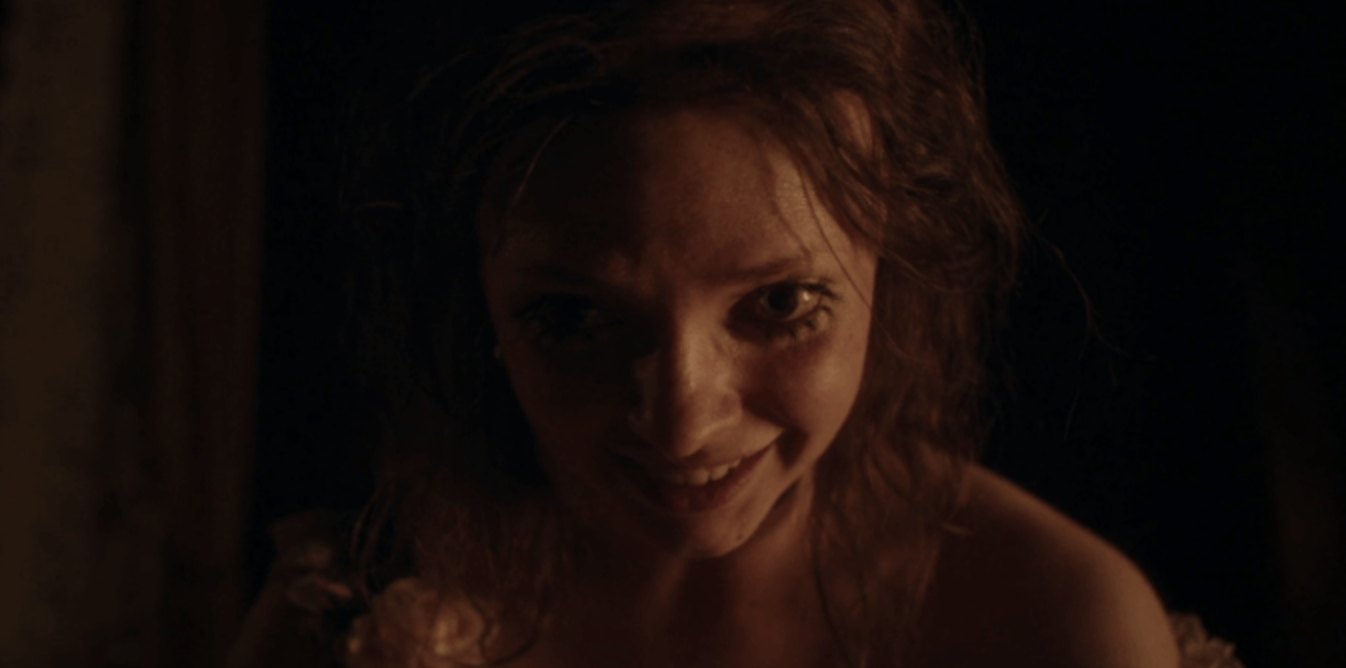
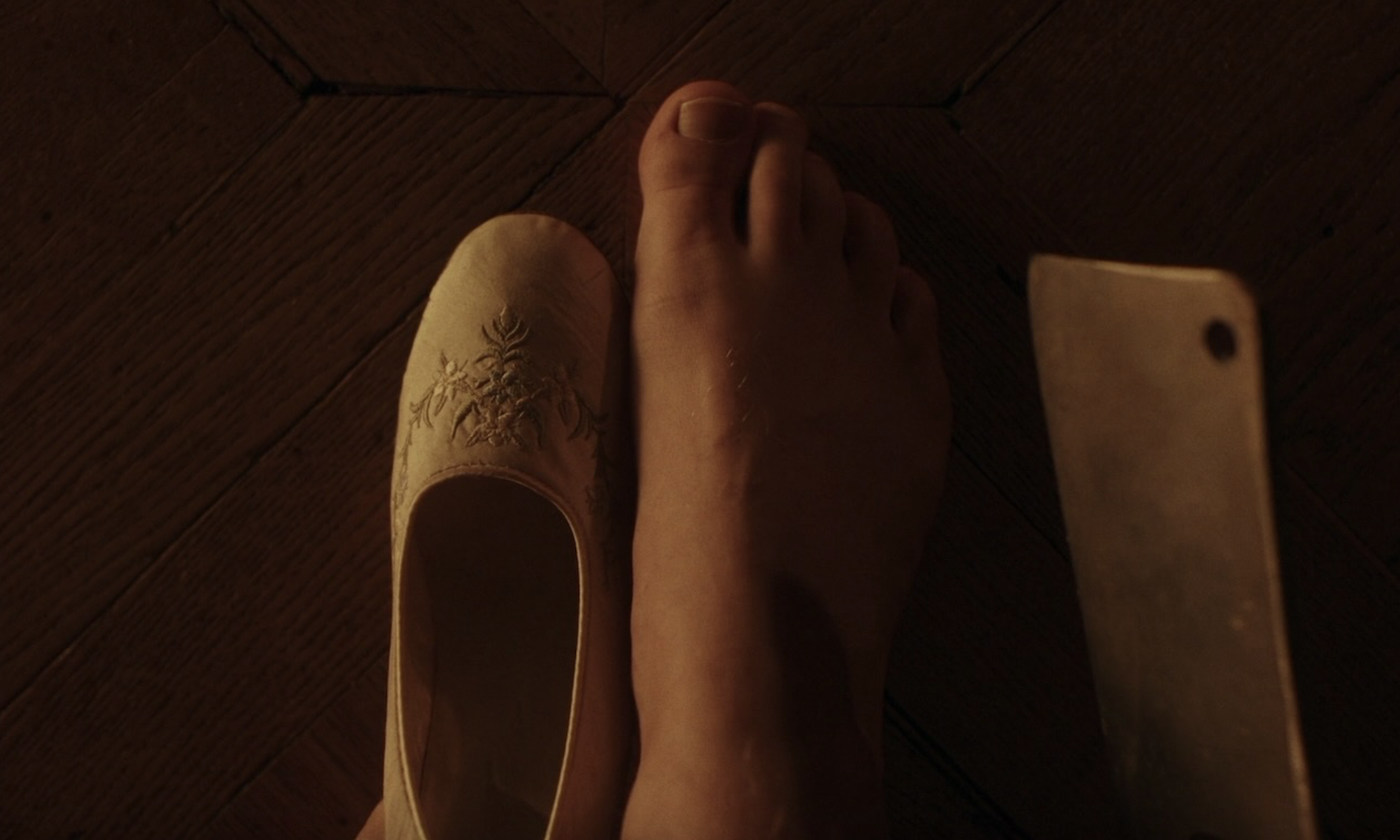
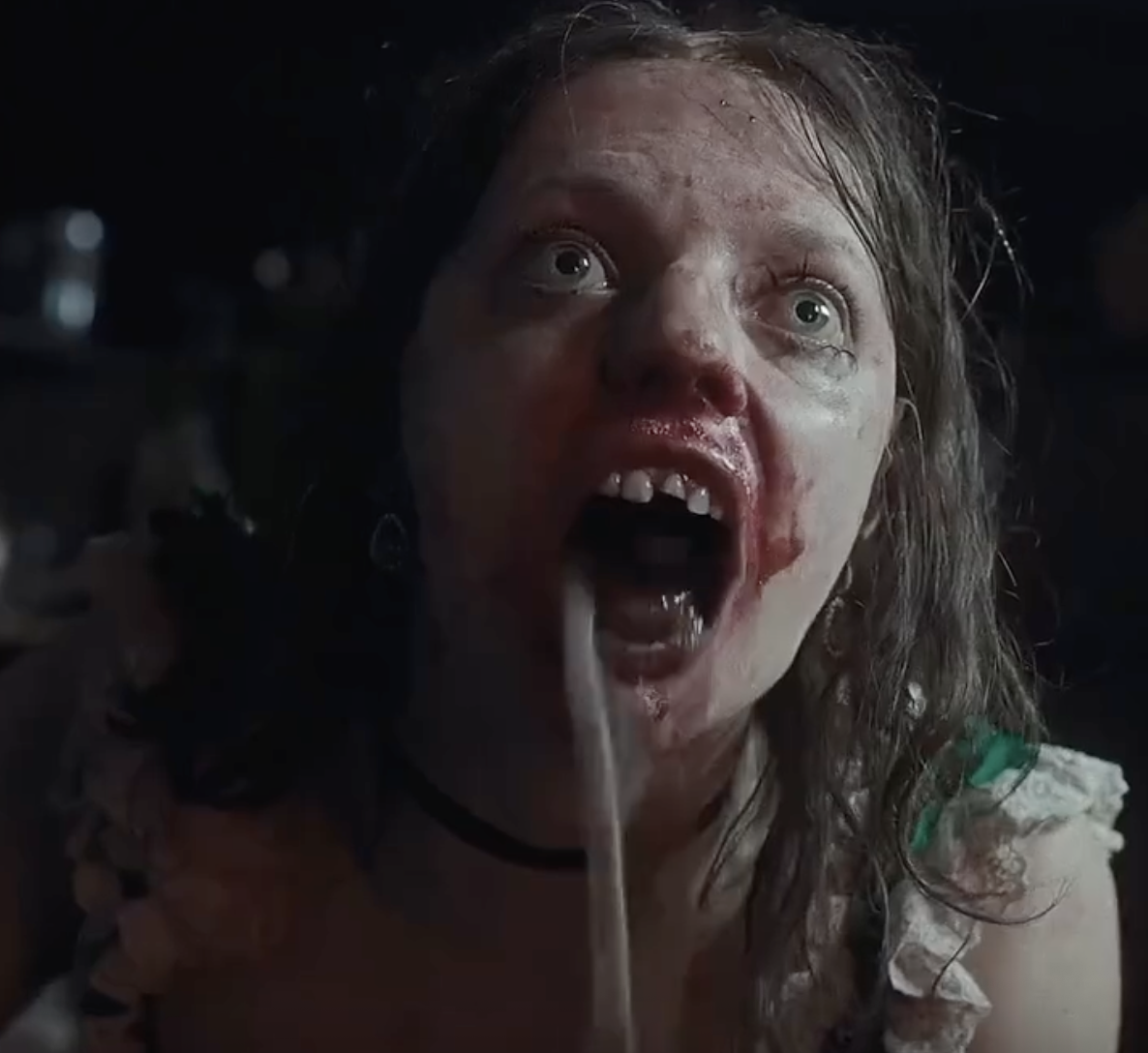
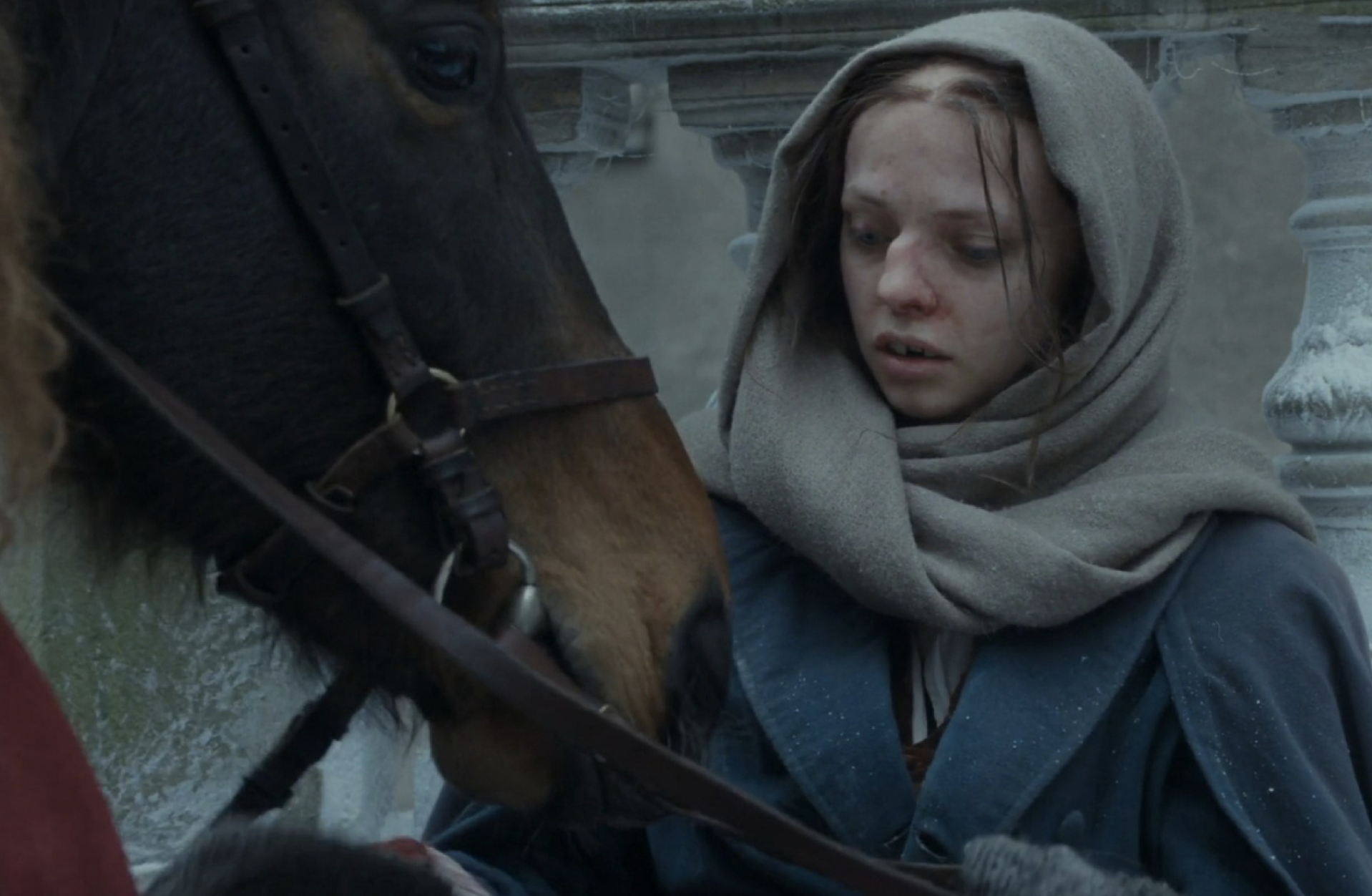
Agnes’s Hail Mary – The Devil’s Bath (2024)

“AS MY TROUBLES LEFT ME WEARY OF THIS LIFE, IT CAME TO ME TO COMMIT A MURDER.”

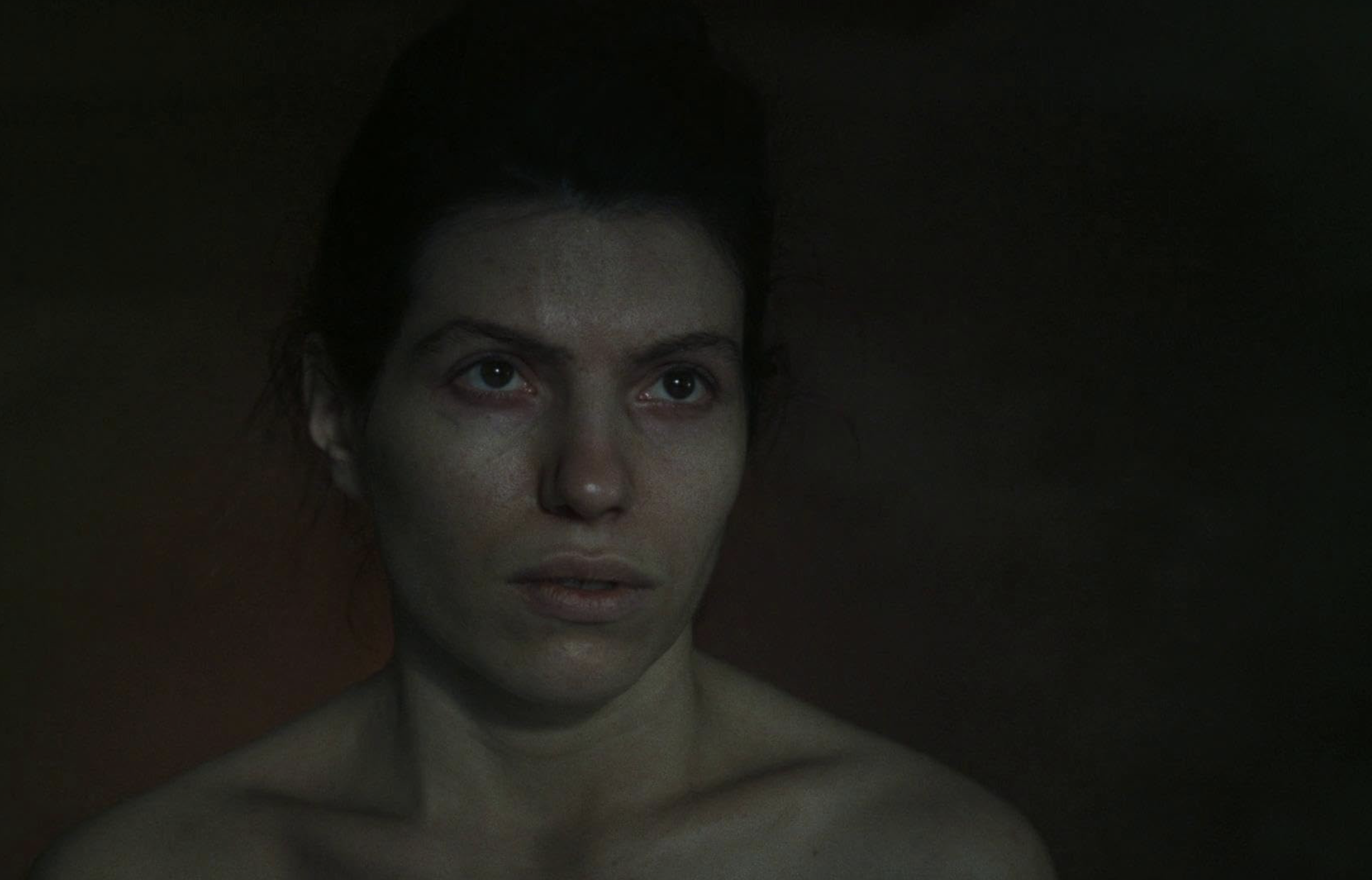
Hello, my dear horror friend, happy Ash Wednesday. As this season of prayer, fasting, and reflection begins, I find it suitable to sit down with you and talk about Agnes (real person) and her fervent devotion to her faith which, shockingly, made her believe that in order to save her soul she had to commit a crime punishable by death.

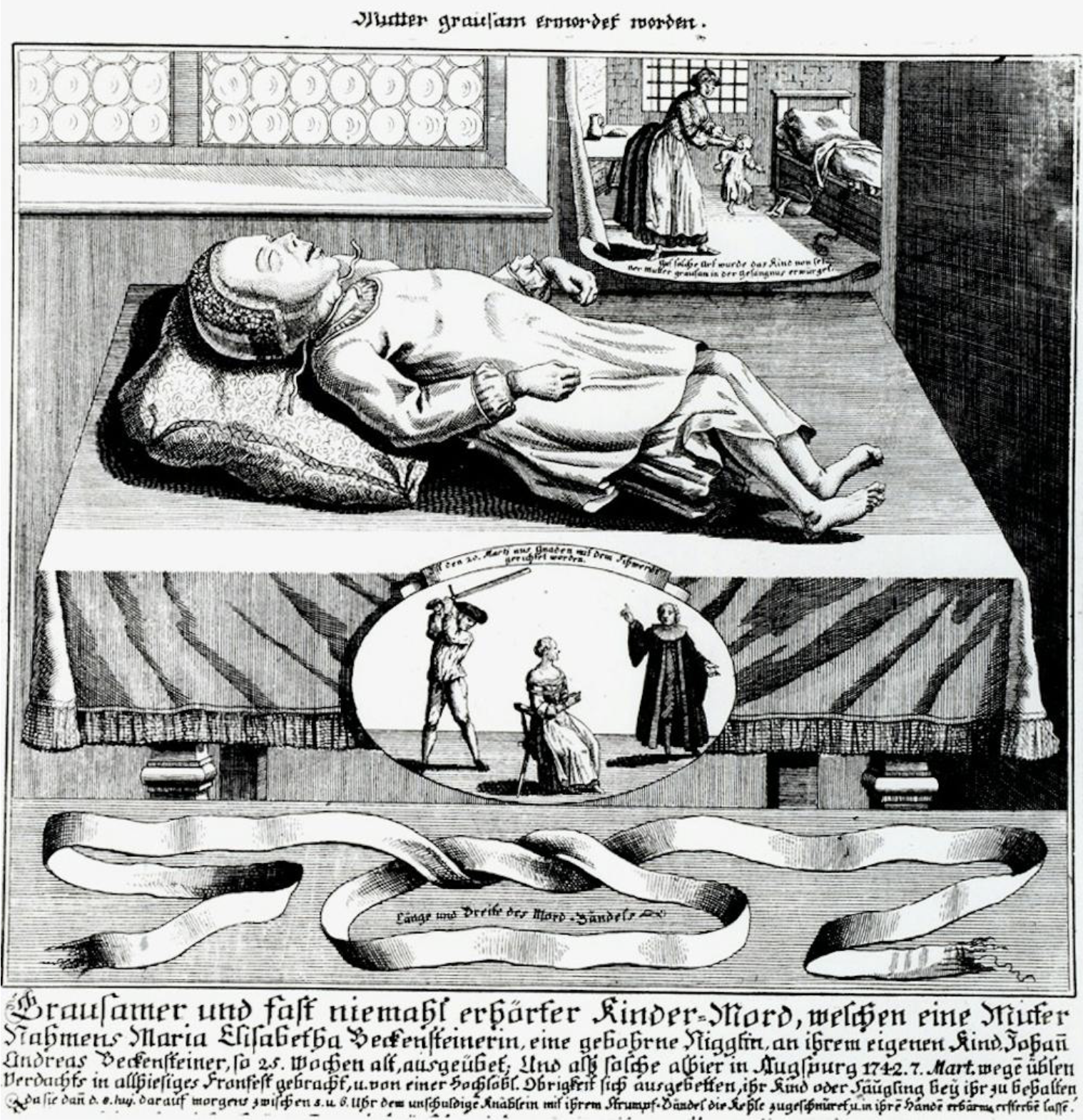
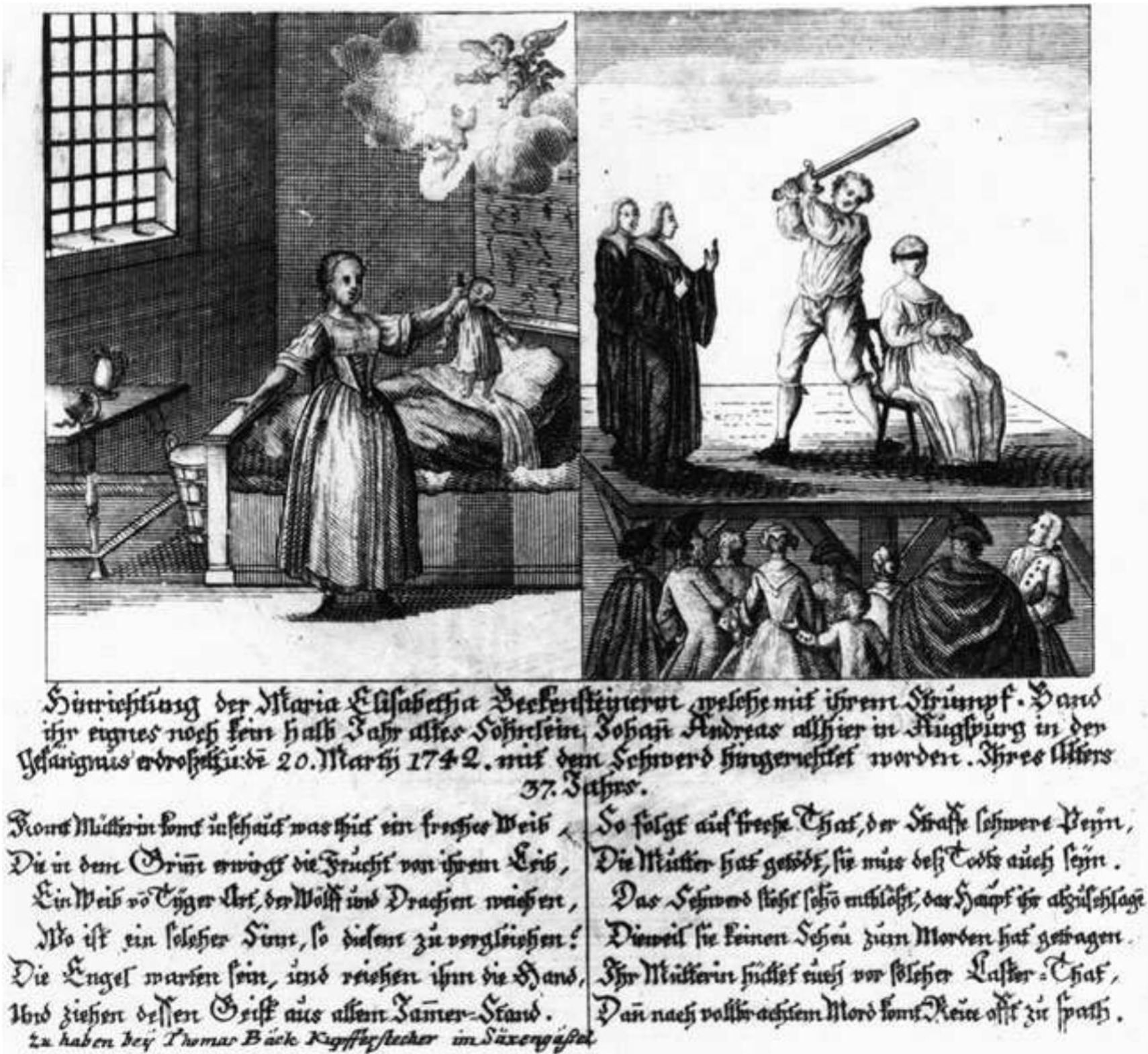
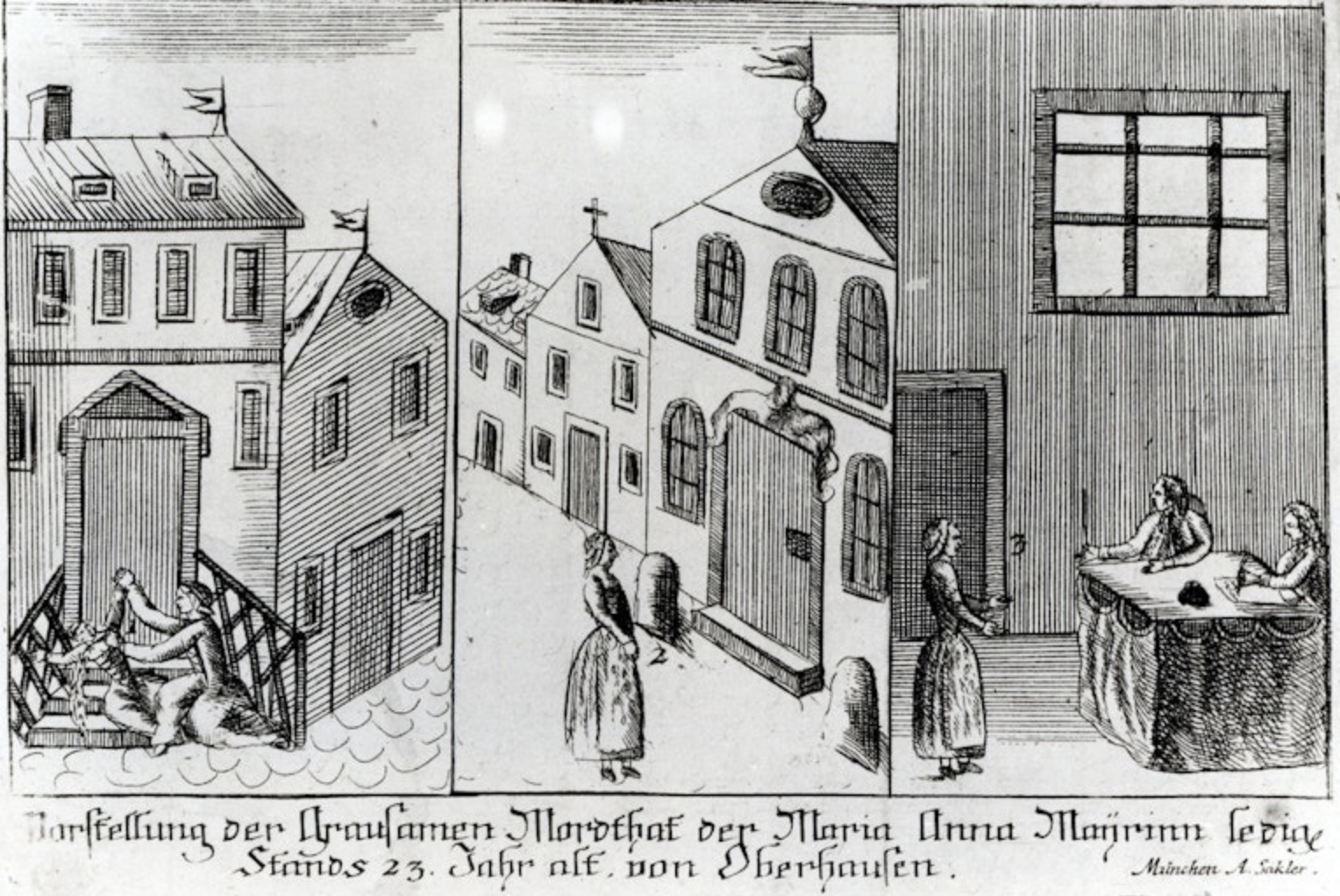
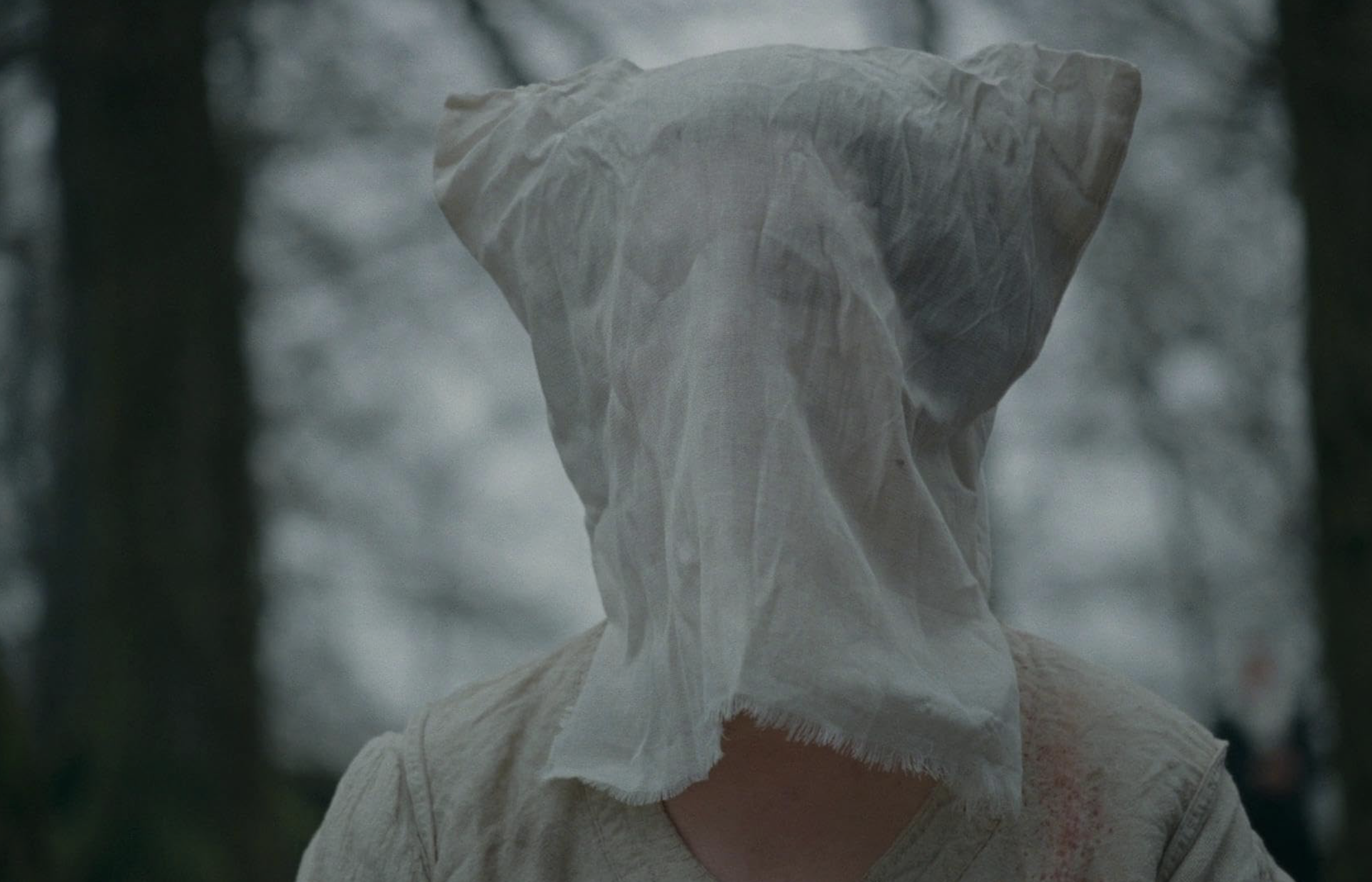
The words you just read were a gross oversimplification of historical records from 1750 Upper Austria as they pertained to Agnes Catherina Schickin, taken from the 2023 research book by Kathy Stuart titled Suicide by Proxy in Early Modern Germany: Crime, Sin and Salvation. The book was so impactful—haven’t finished reading my copy yet, but can clearly see why it inspired the creation of this historical horror-drama movie—that the Austrian filmmakers did not hold back from showing the brutal realities of murder and of public execution.
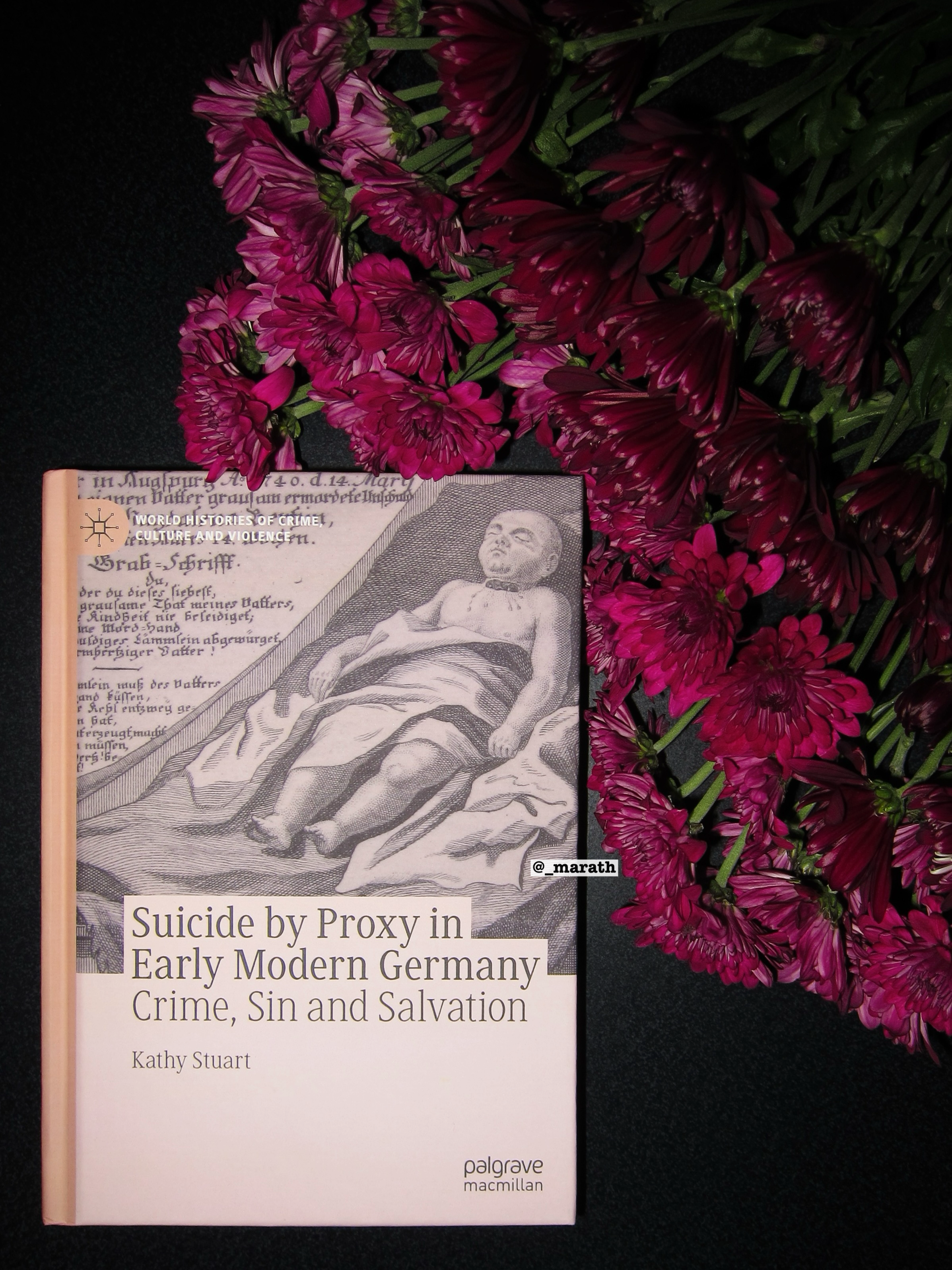
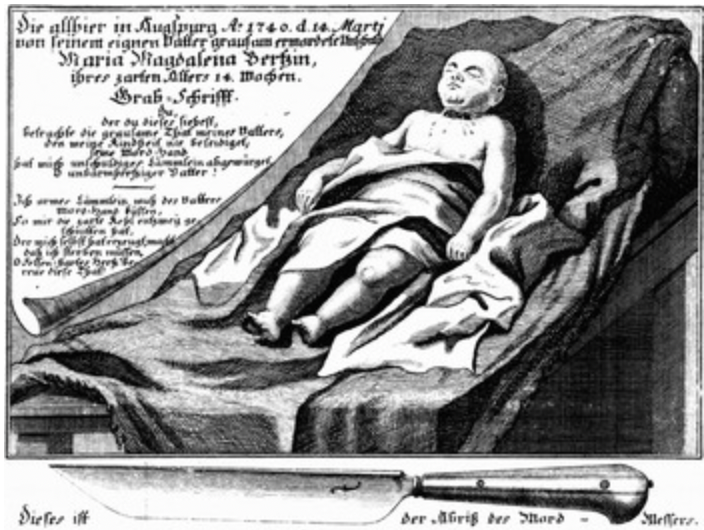
As today’s movie, Des Teufels Bad (2024), so graciously explained, in 17th and 18th century Europe, people who wanted to kill themselves would commit murder, so as to be executed. After confessing, cleansed of sin, they hoped to enter heaven and thus avoid the eternal damnation that awaited suicides. The majority were women, and their victims primarily children. The phrase “des teufels bad” translates to “the devil’s bath” which was an 18th-century metaphorical concept for depression and spiritual anguish, representing a state of being trapped/losing one's soul.

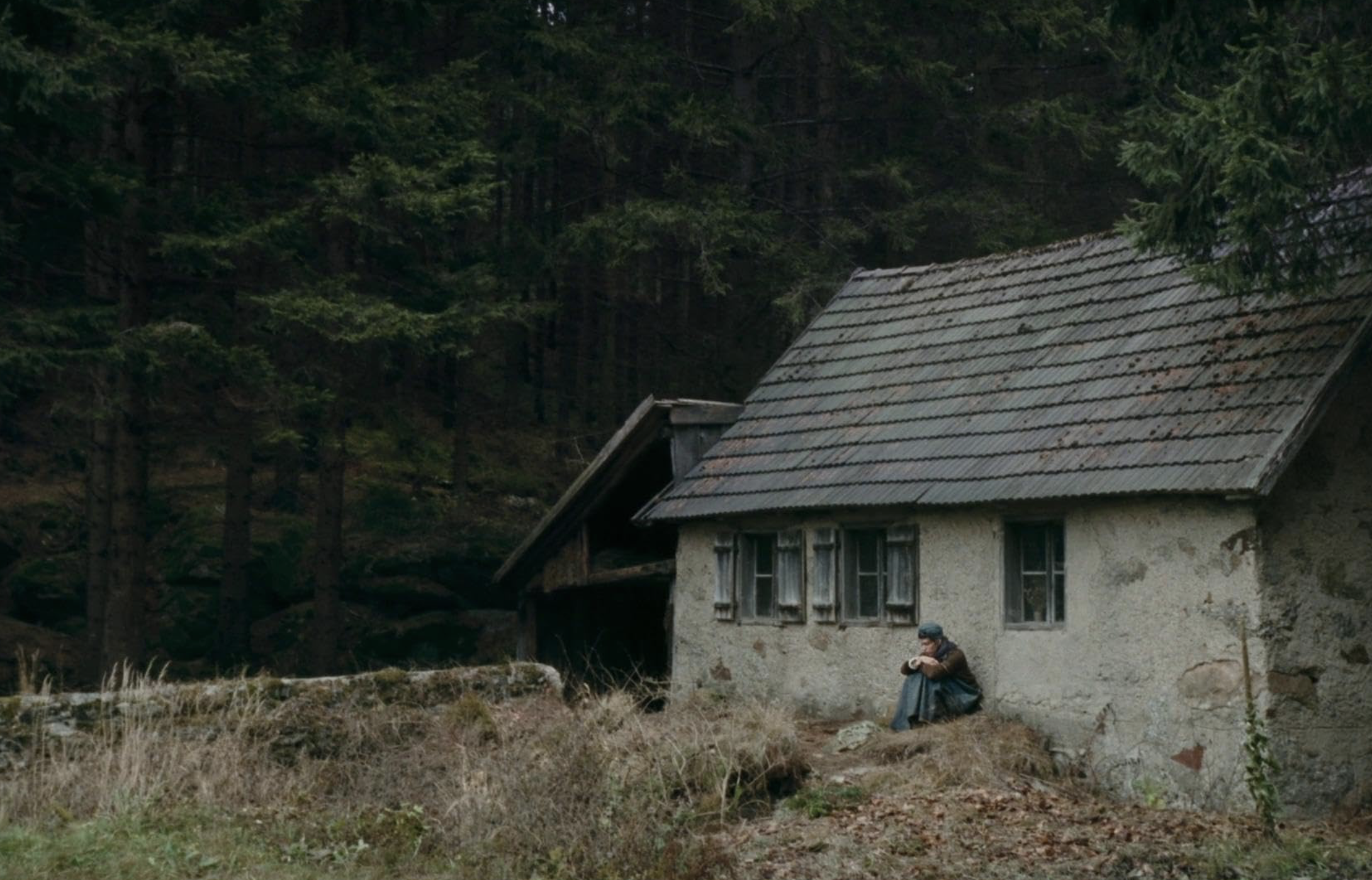
Before I move forward, and so we are on the same page, I would like to share with you the trailer that stopped me on my tracks and made me watch the movie immediately. (At the time, I came across it by happenstance, and had zero idea of the plot or even of the genre, so it captivated me by pure merit. Just look at the ambiance, at the cinematography, at the location, at the costumes, at the vibe!) Here it is, please enjoy:

**spoilers ahead**

Agnes was a young woman getting married. Wolf had the promise of being a good husband; he offered their own humble home at a great location, next to the water and by his mother’s house, and by default, a helping hand from her whenever the newlywed couple needed assistance with the keeping of the house, the cooking, the tending to the animals, and, of course, to the future children; he also offered a steady income as a fisherman. On paper, Wolf was a great man.
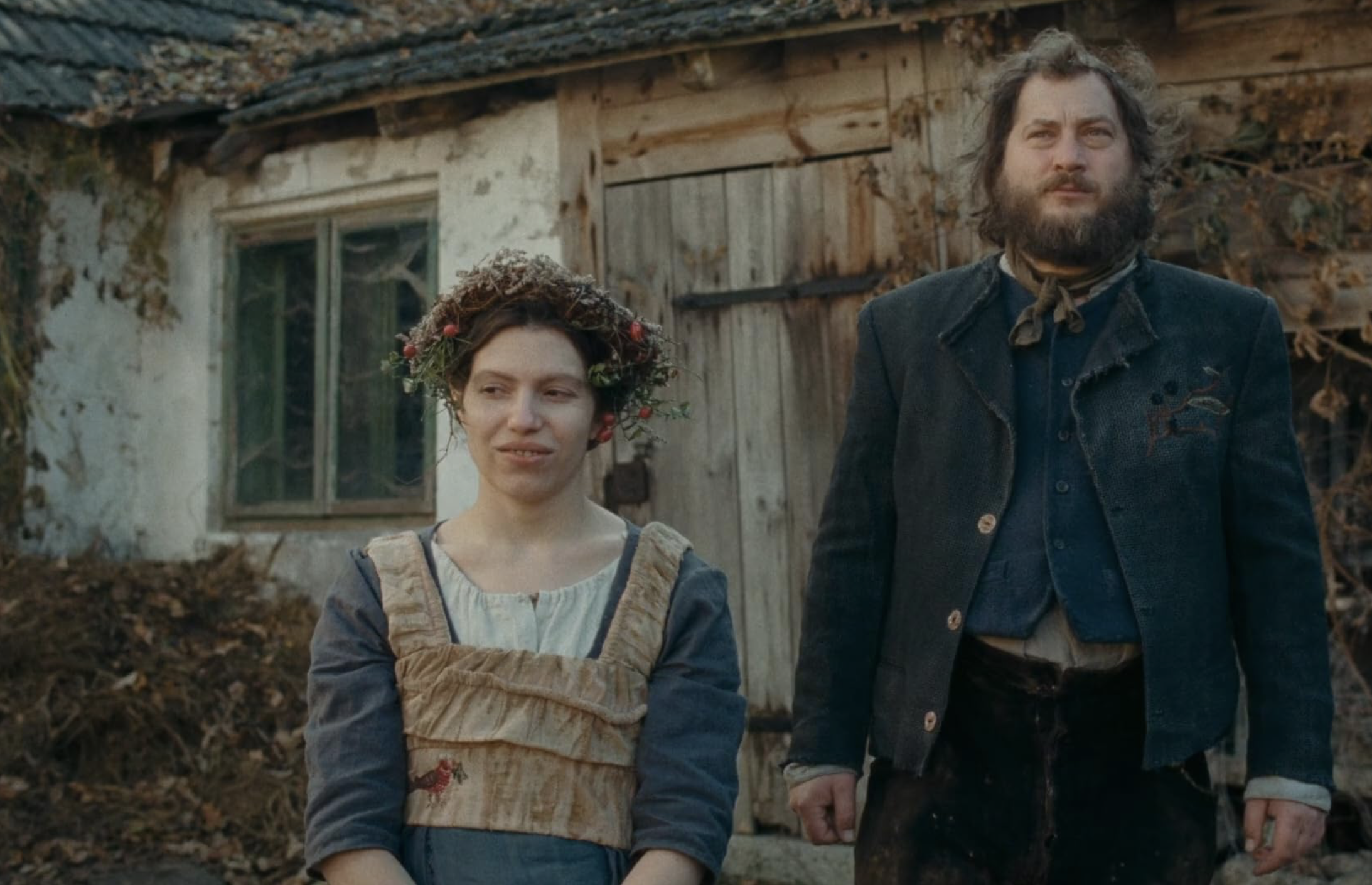
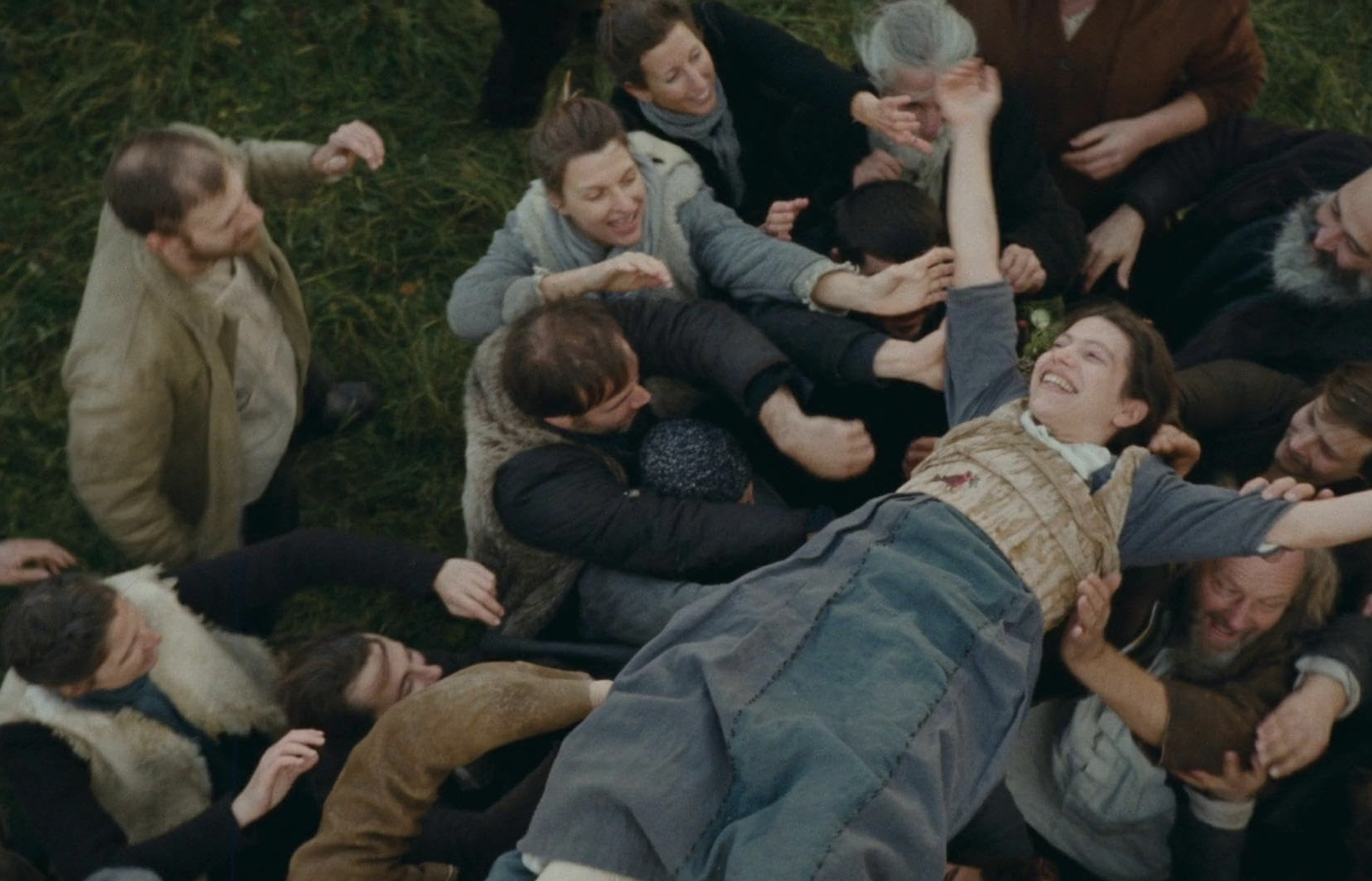
Agnes would miss her mother and her brother, but was excited for her new role as a wife and future mom. She was a devoted believer, so she would pray with more fervor now than ever to not only be a great wife to Wolf, but a great mom to the future children. The future children. The future children would never come, Agnes realized, after her marriage was not consummated; not on the wedding night, not on the following night, not on any other night. Agnes was distraught.
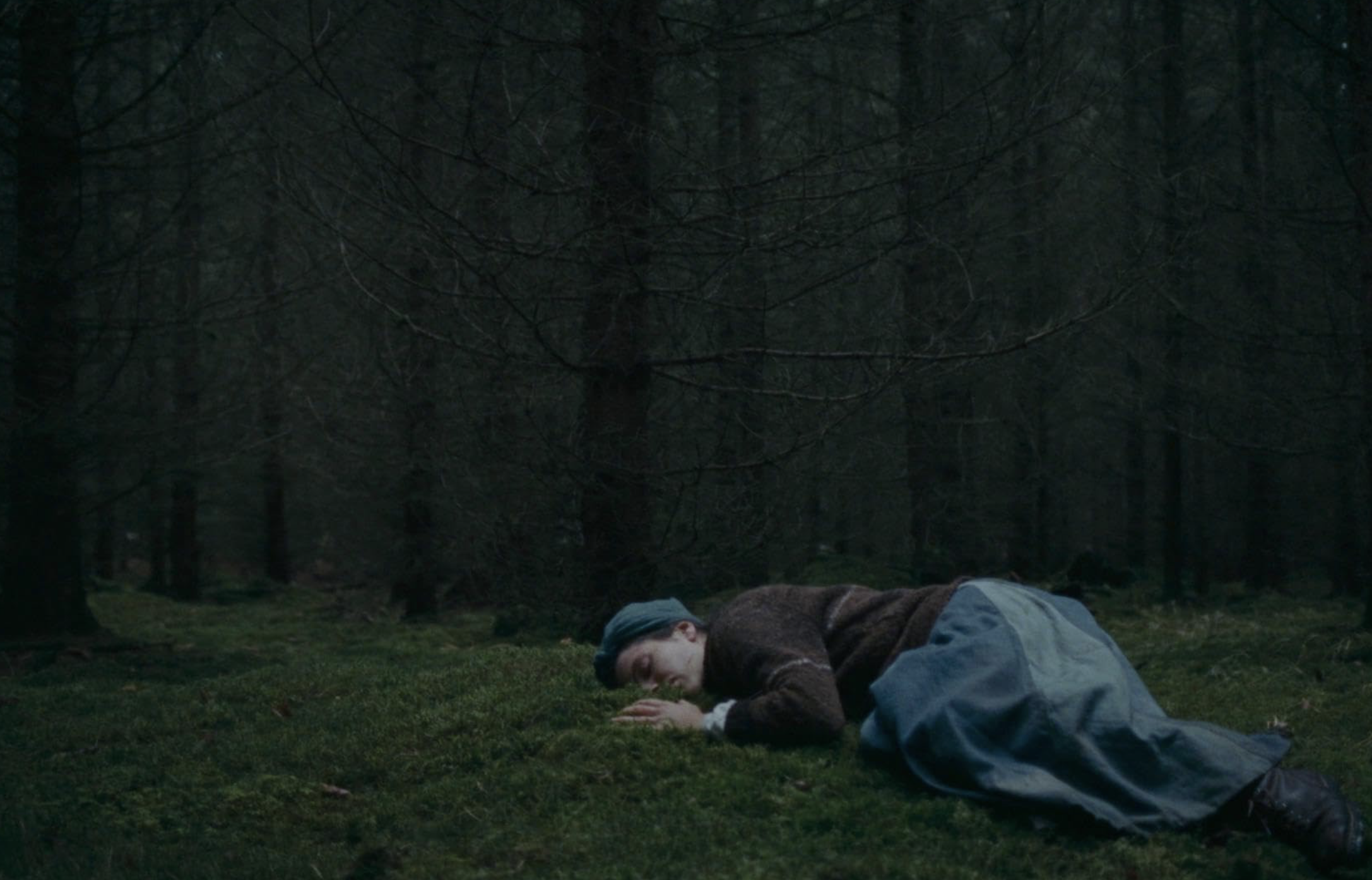
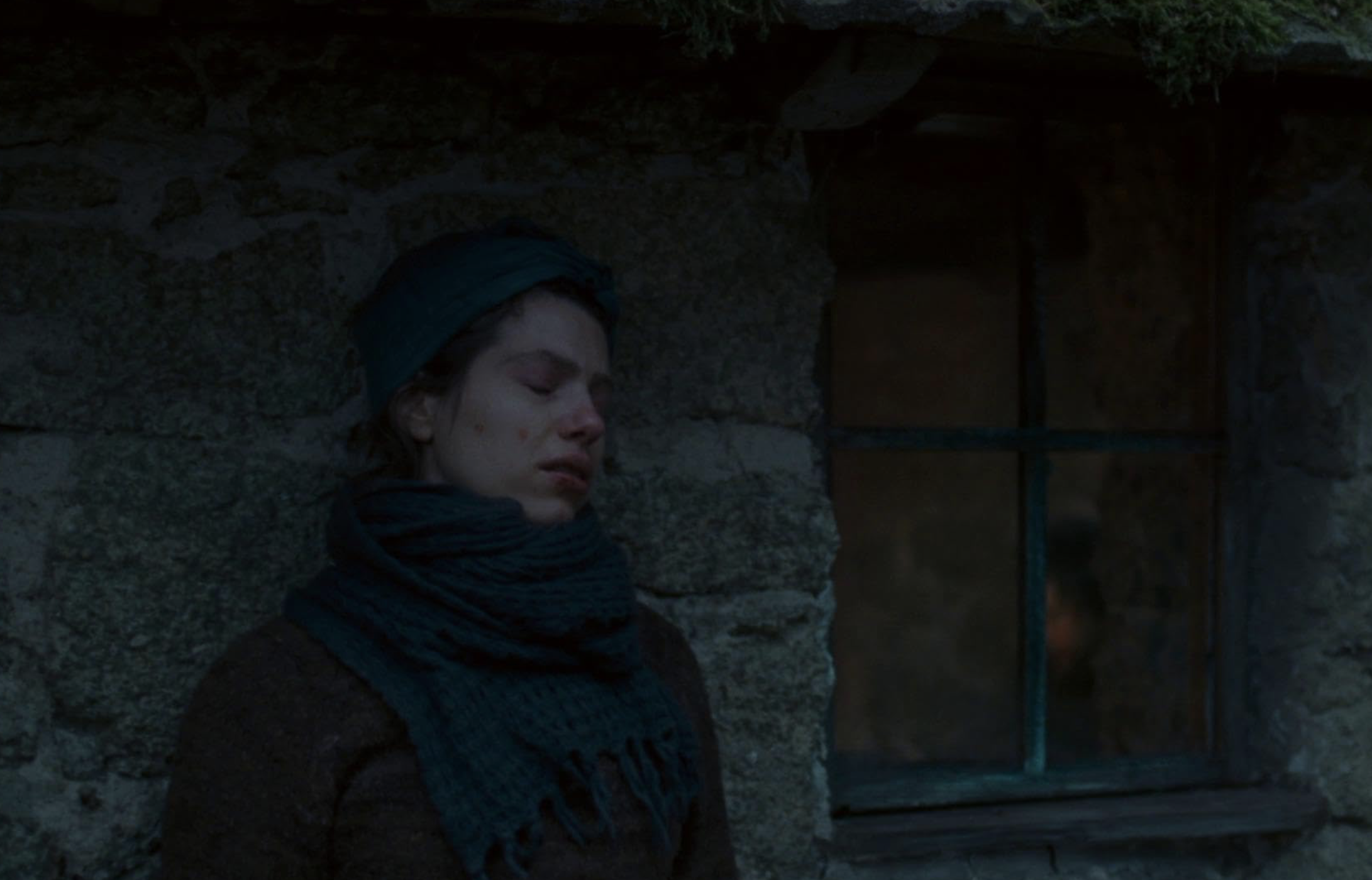
Agnes would keep her sadness and loneliness to herself, but she would pray more and go to the church more. She would still show up to work at the lake to learn the family business as fishermen, but she would be distracted while lost in thought. She would remain a dutiful wife doing house chores, inside and outside the home, but she would be more talkative to the local women, getting acquainted with the new people and the new surroundings, taking time for herself and by herself.

Even though her new life was not what she expected, it was manageable – until it wasn’t. Time passed and her husband would still not have sex with her. The loneliness in not having a close, physical relationship with Wolf would eat up at her as it meant the children would never come. More often than not, she would use her spare time to go to church to pray for things to change, but she would lose track of time and not look after Wolf or their animals, thus her mother-in-law would take over and do the cooking and the tending.

The breaking point for Agnes’s fragile emotional state happened when a friend of the family committed suicide. When the priest at the church informed the congregation that the man would not receive eternal salvation and would not be properly buried—his naked body was simply disposed of like trash, out in the open field—as suicide was a bigger crime than murder itself. How could this be? The thought of no longer being on earth brought her comfort, but she could not have that either now?

Agnes ran to her mother and to her brother and begged them to take her back as she was scared. They couldn’t. She had to return to her husband. She wouldn’t. So the brother fetched Wolf and alerted him of the problem so he, immediately and rightfully so, took her back home. Agnes broke.

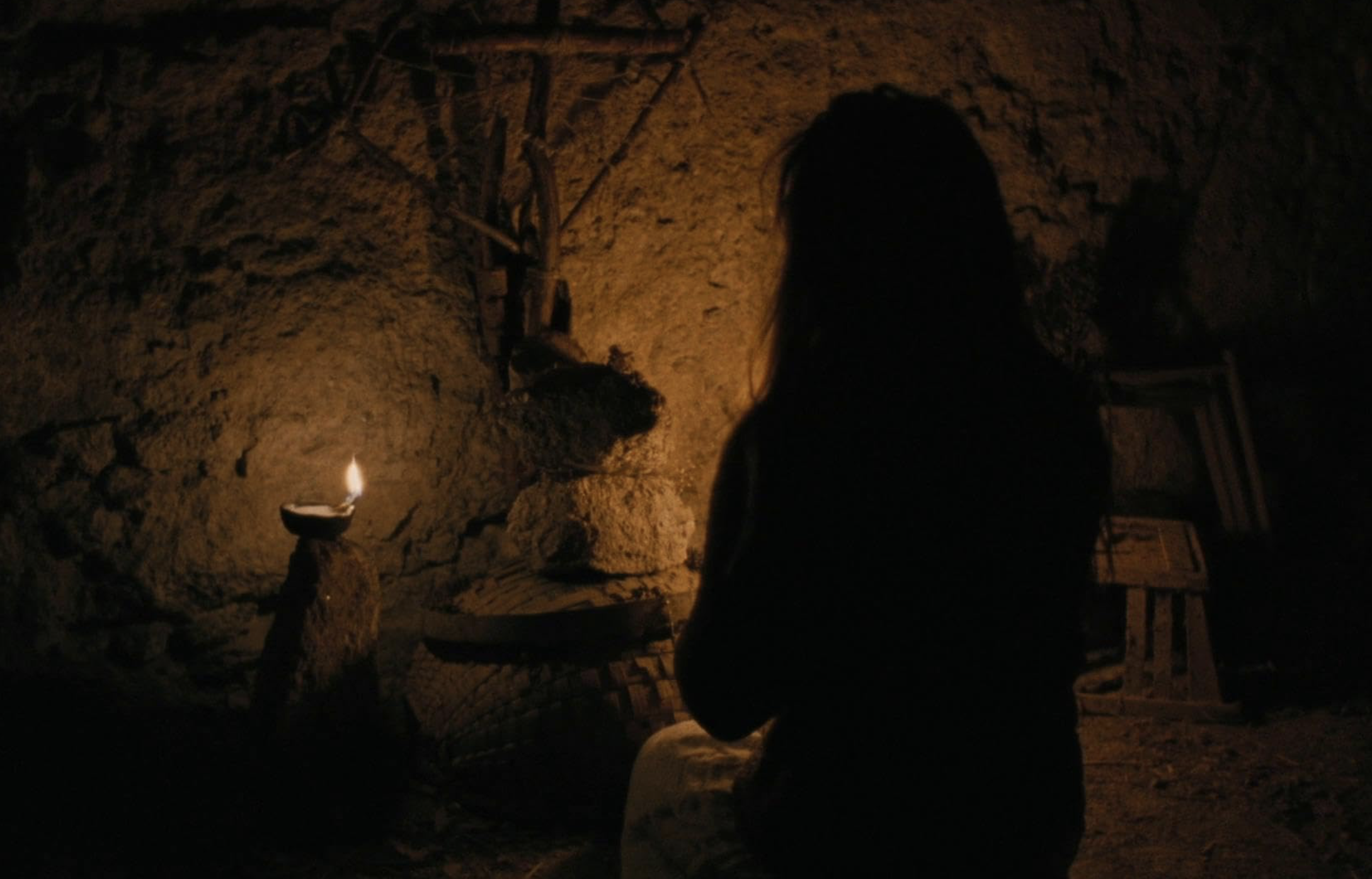
She would not get out of bed all day, she slept all day, she would not bathe, she would not eat. At night, in a hurried state she would secretly go to her makeshift altar and pray and pray and pray, and she would also, terribly and horribly, ingest very small amounts of rat poison to make herself sick, and she would pray and pray and pray that the poison would kill her quietly so no one would know what she did so she could finally die peacefully and go to heaven and get a proper church burial.
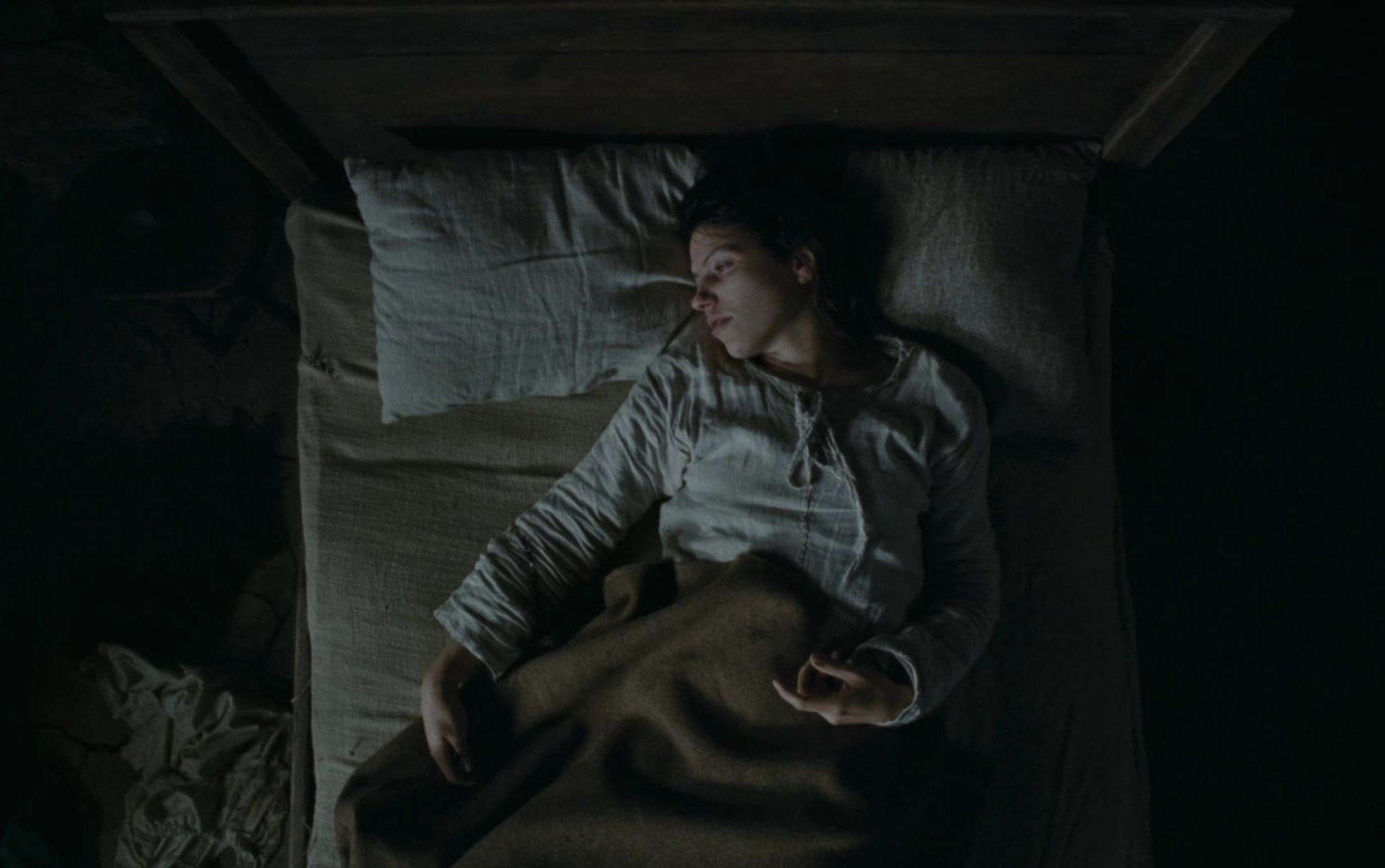
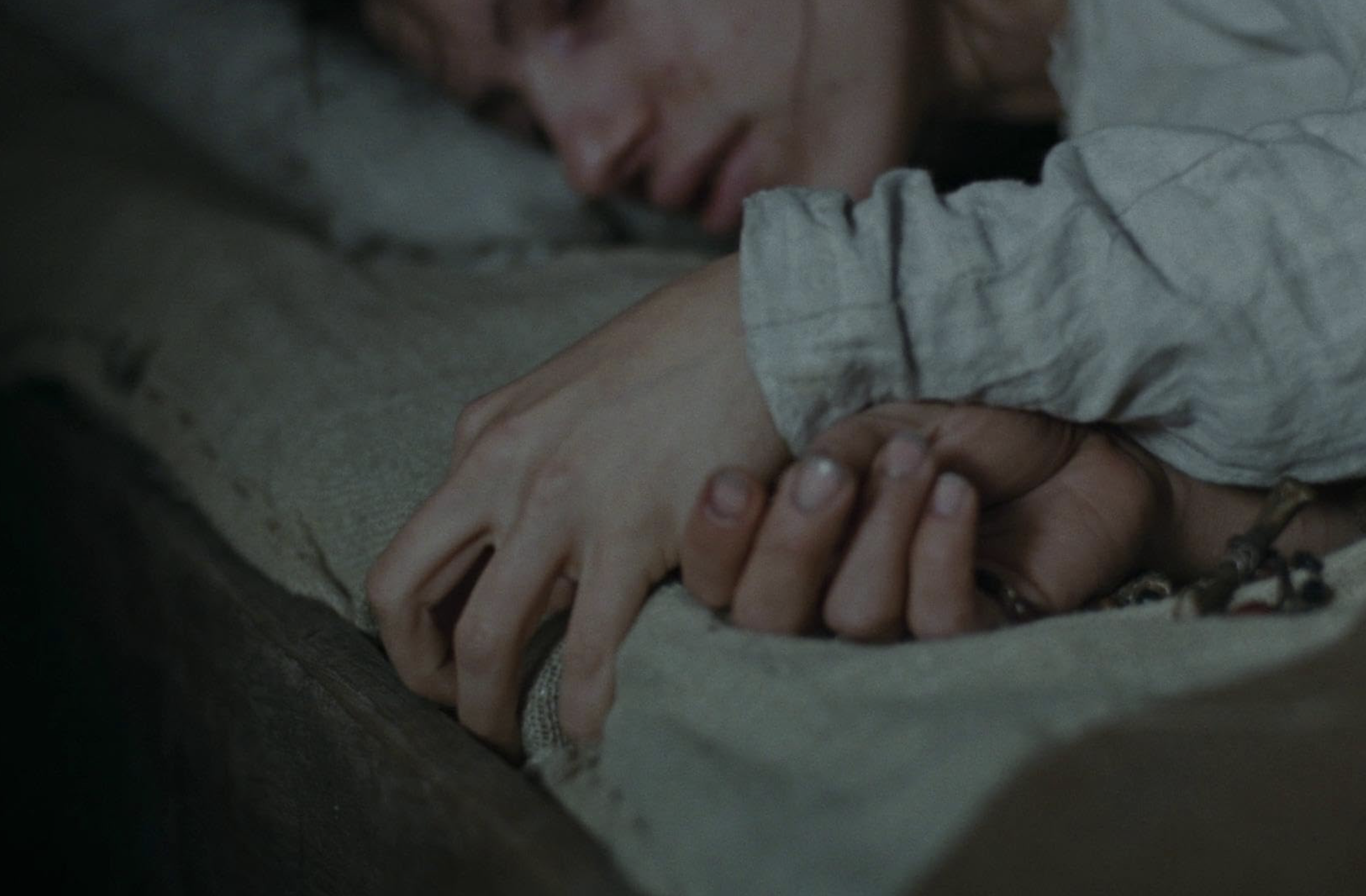
When a very ill Agnes felt death was soon approaching, she had Wolf bring the priest for her final confession at her deathbed, but the priest was not available so Agnes unexpectedly told Wolf she had been taking poison. Wolf would not have any of it. Wolf returned Agnes to her mother and to her brother. Agnes got her wish, partially.

A defeated, weak, dejected Agnes now alone in her childhood home. A failed marriage and a foiled motherhood now in the past. She officially gave up, and, with that, she also made up her mind about the only thing she knew was still fully hers and worth saving and protecting… her soul.

Even in her madness she believed in two things: one, that suicide was strictly prohibited and her soul would go to hell and her body would rot out in the open like trash if she committed that unforgivable sin, and two, that even murderers received the Christian benevolence of a last confession right before lawful execution, thus their souls would get cleansed of sin and allowed to enter heaven with the rest of the faithful. Murder was her answer.

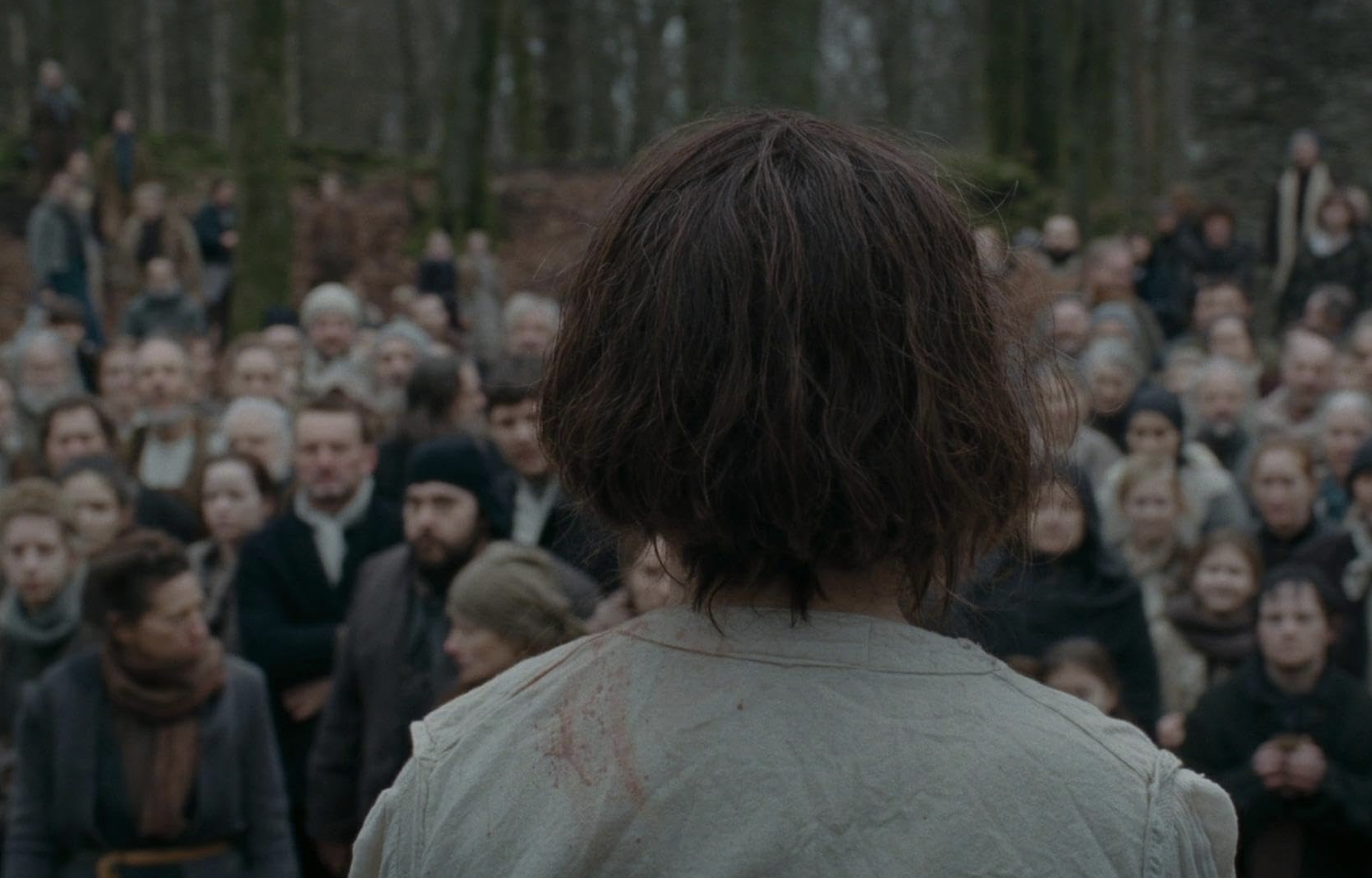
And so, Agnes got cleaned up, quietly said her goodbyes to her mother and to her brother, and went to find a child. When she was done, she went to the officials to confess her crime. Simple as that.

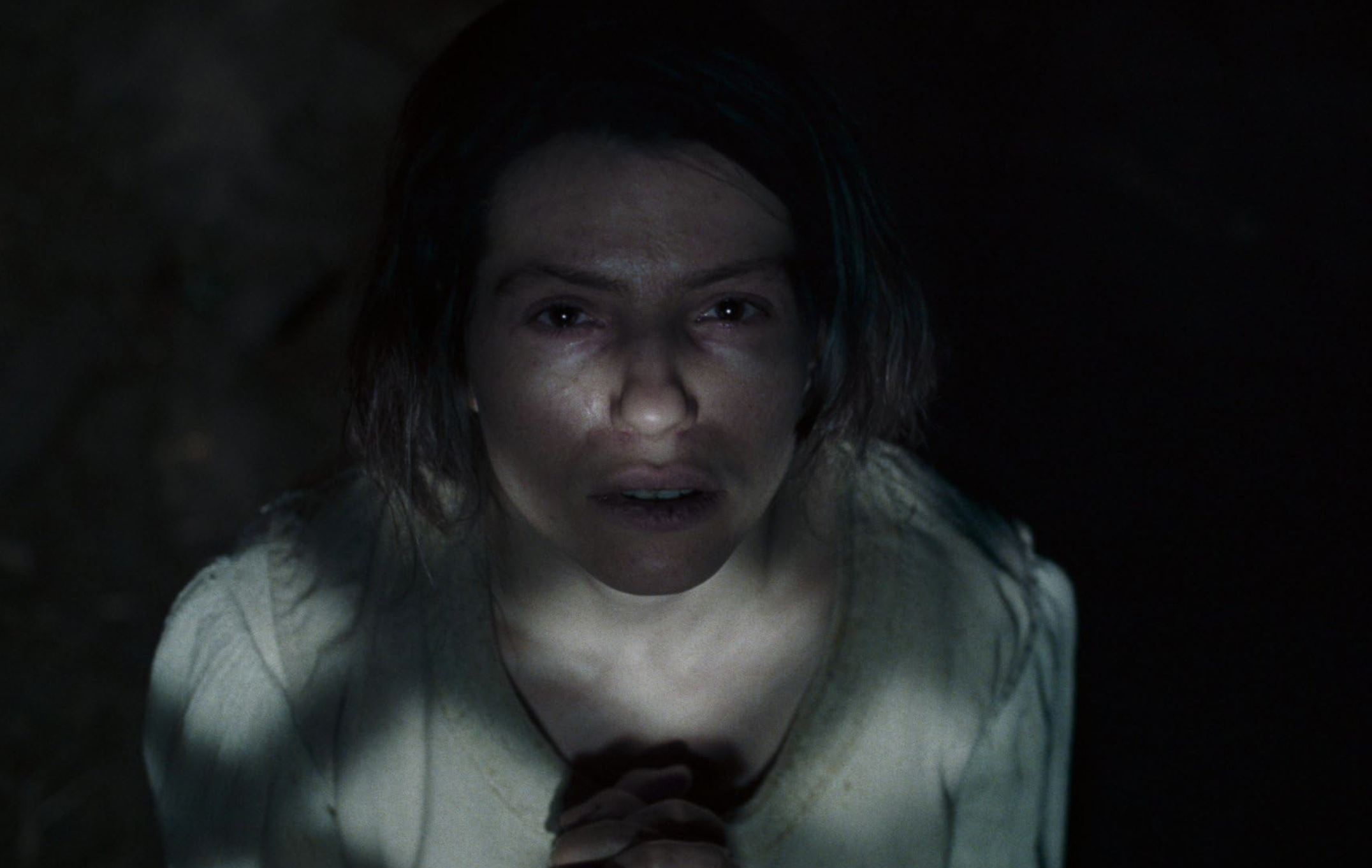
When it was time for her execution, she was given the promised last confession and the priest absolved her. She was maniacally happy. She had been saved.
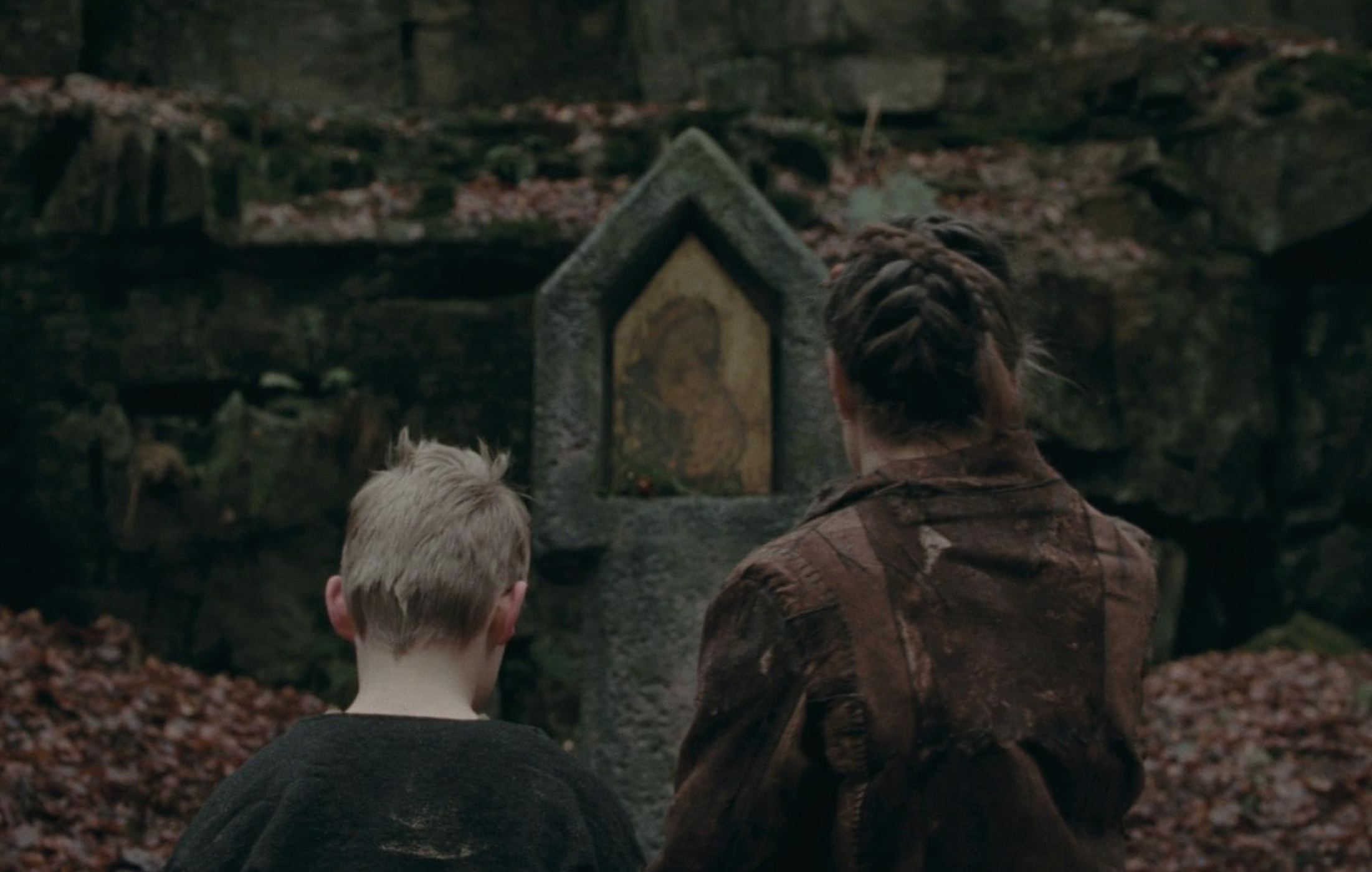
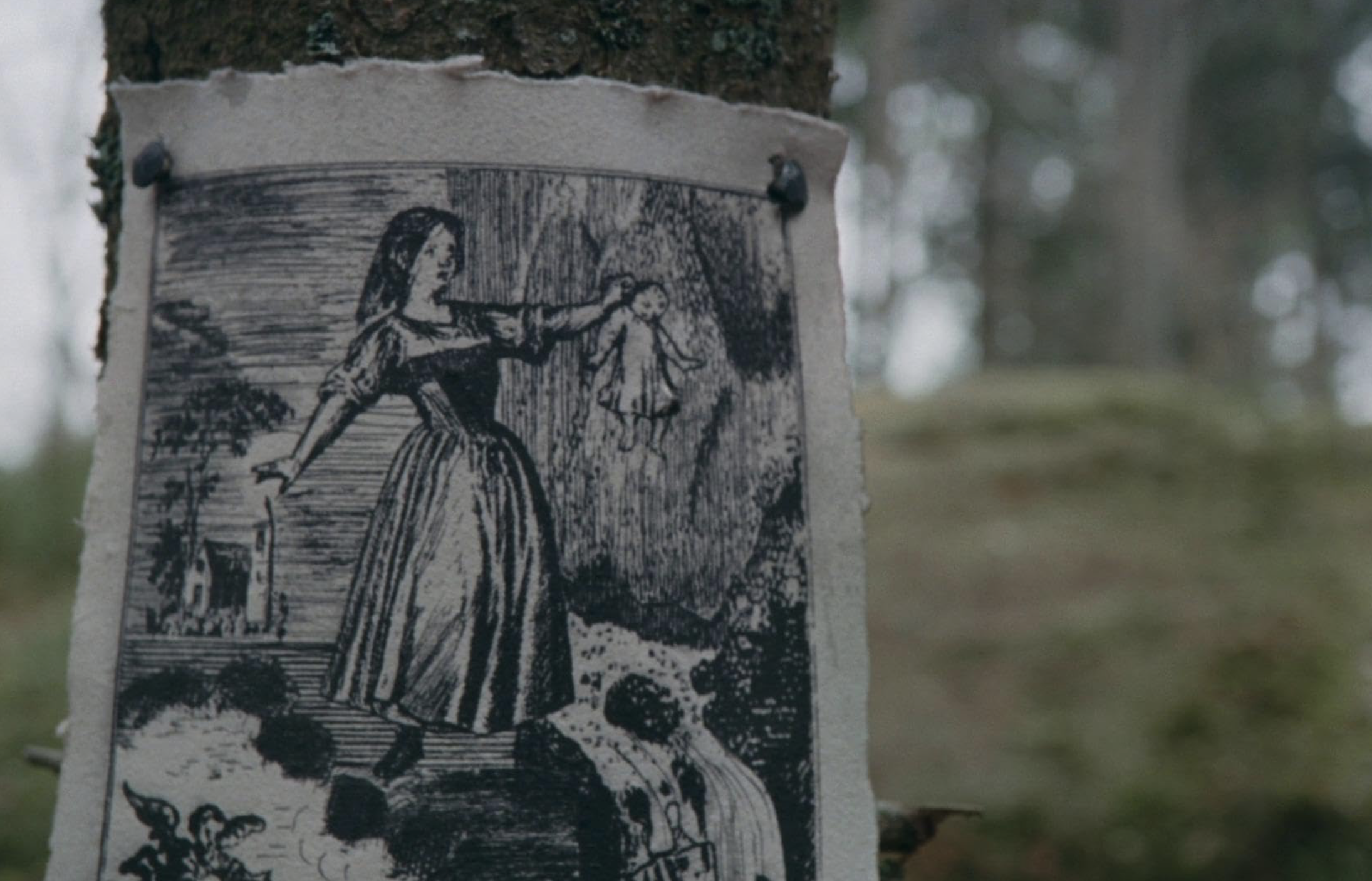
Wow… this last scene, the prison confession, was incredibly hard to watch as it showed the pain and anguish of someone dealing with extreme religious fears. When the priest absolved Agnes I felt—I promise you, I did—such a heavy weight leaving my body. As she started laughing and thanking God, I exhaled with satisfaction. Nothing mattered anymore to Agnes, nothing needed to matter anymore. She did it. She won and got away with it: suicide by proxy. She will die and go to heaven forever and ever, amen.

“LORD, HAVE MERCY ON AGNES. I ABSOLVE YOU FROM YOUR SINS. IN THE NAME OF THE FATHER, THE SON, AND THE HOLY SPIRIT. AMEN. AGNES, GODSPEED.”

In Love and Fear,

—Marath

© 2016-2026
Winners and Losers – THE UGLY STEPSISTER (2025)

This movie reaffirmed a simple fact about happiness if you want to achieve it: DO NOT be someone you are not. Clear and to the point. Let’s begin.

Hello friend, thank you for stopping by, it is nice having you here. Today, I would like to talk about the Norwegian body horror-ish movie The Ugly Stepsister (2025) which tells the classic Cinderella fairytale, but all while focusing on the supporting character of the older stepsister, Elvira. To reiterate, even though Elvira was the main character in this new film, the story was still pretty much about the old Cinderella fairytale we all watched as children, so it ended just as we remembered it: with Cinderella getting the prince and living happily ever after.

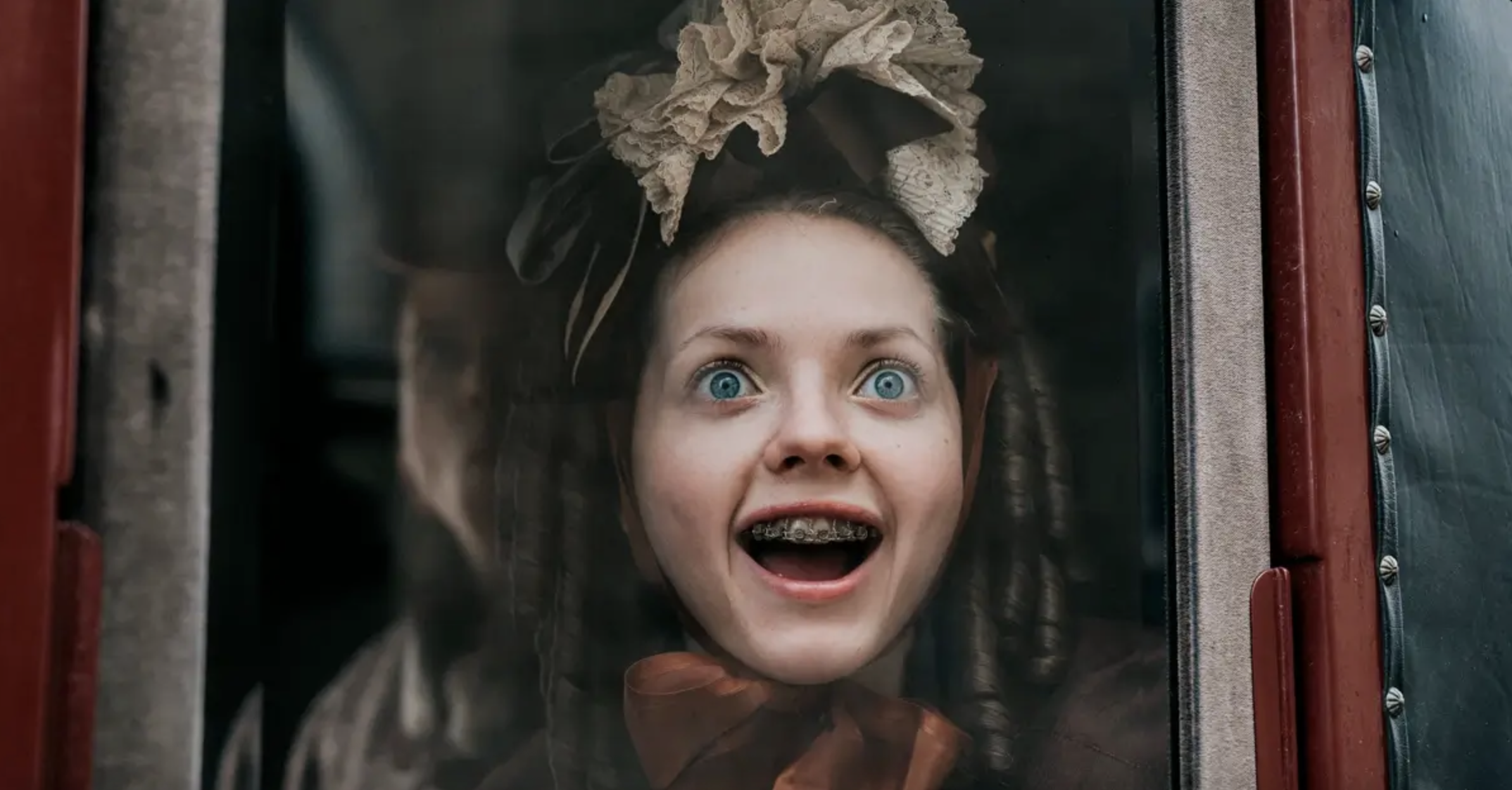
But who was this Elvira person? She was a happy, immature eighteen-year-old, still wearing braces, big curls, with a big appetite, average face, naturally curious, extroverted, naïve, an avid reader, a good daughter, and a good big sister. And like all the maidens in the kingdom, she was infatuated with the handsome young prince thanks to his writings published in poetry books. She often daydreamt about him and it was lovely.

The problem with Elvira started when her mother remarried the local widower out of convenience, more specifically, after the mother found out—thanks to him dying unexpectedly of a heart attack—that the widower, her now late new husband, was penniless and their path to immediate financial security relied on the daughters marrying a rich man, or better yet, a rich prince. When the mother realized her prettier, younger child was too young to participate in matchmaking, her efforts focused on her less pretty, yet, age-appropriate older child, Elvira. For the record, Elvira was healthy and normal, and considered ugly and defective only by her own mother.

Witnessing Elvira’s journey from a happy young woman to a wretched one because of her selfish mom was, simply put, infuriating. I wanted to yell at the screen on more than one occasion, plead angrily to Elvira to just say No, mother! and run away from her destructive home. (Spoiler alert: that was exactly what the younger sister did at the end, so it was ultimately somewhat satisfying for me, I guess.)

Right, Elvira started second-guessing herself when her mother called her ugly and made her get cosmetic procedures: braces removal, nose job, eyelash extensions. However, she really started changing for the worse when the ballet instructor moved her all the way to the back of the class for being fat, and kept Agnes—her beautiful and svelte new stepsister—on the first row. Elvira was not fat, maybe a tiny bit plump, but that would have been also an exaggeration to say. Regardless, the finishing school headmistress gave her a tapeworm egg for her to ingest (ew) & help with losing weight quickly and without effort (o-o-o-ozempic).

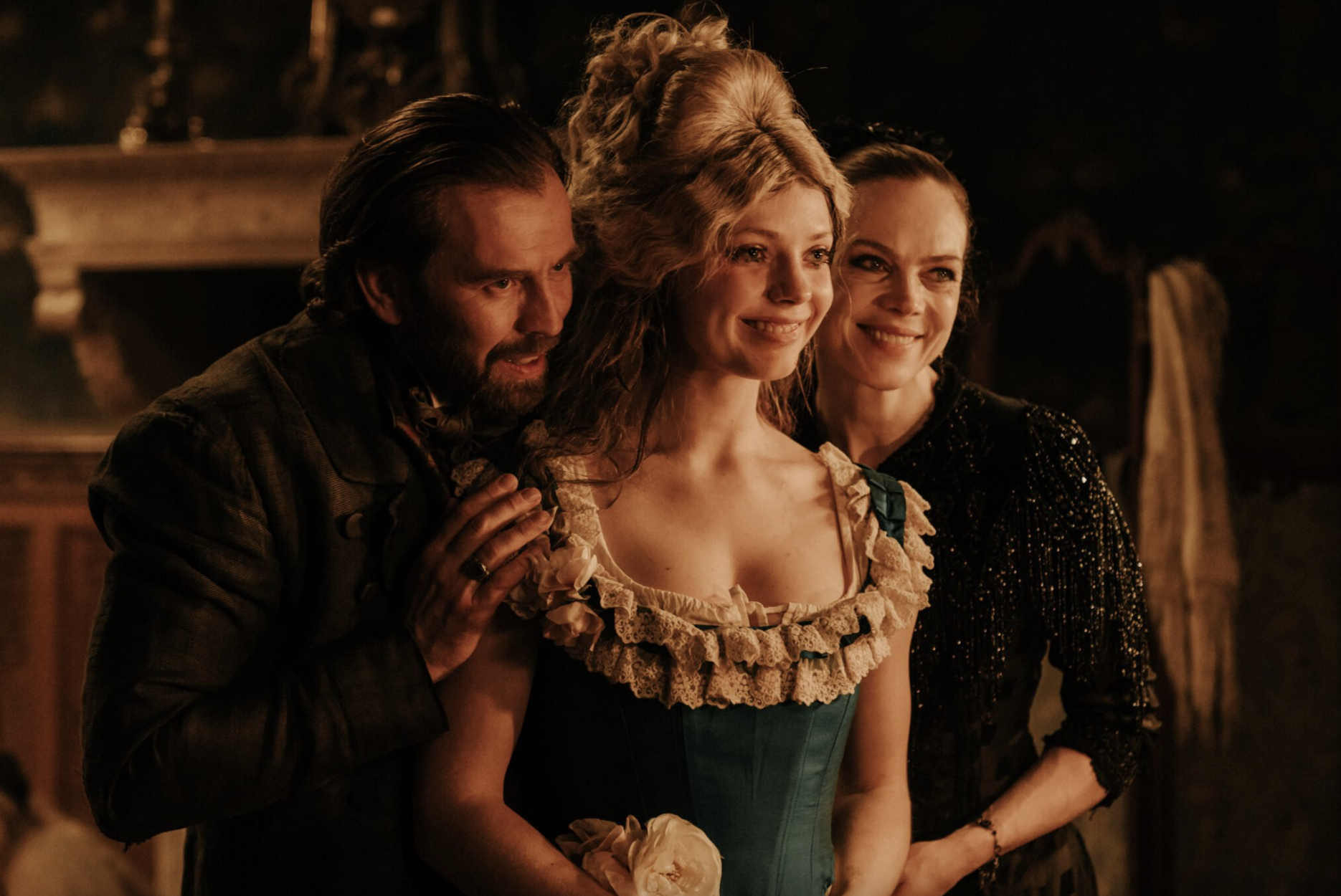
Elvira, after three months of nursing a [primitive by today’s standards] nose job, was able to see in the mirror the perfect and enviable results. Her eyelash extensions had brought her much pain and temporary blindness, but had fully healed by now as well. She was thinner also as the tapeworm had worked as expected, even though it kept her hungry and malnourished, and made her hair fall out by the fistfuls due to said malnutrition. By the way, the ballet instructor noticed her new body and face and gave her the lead role as a reward. Elvira was gorgeous now, in her complete fabricated form: no braces, no big nose, no extra weight, beautiful eyelashes, and beautiful blonde wig (needed to cover the bald spots). From the outside, Elvira was a fake Agnes, except, of course, that Agnes was all natural and beautiful not only on the outside, but on the inside, even after all she was put through at the unfair, dishonest, and cruel hand of her unloving, selfish stepmother & ugly stepsister.

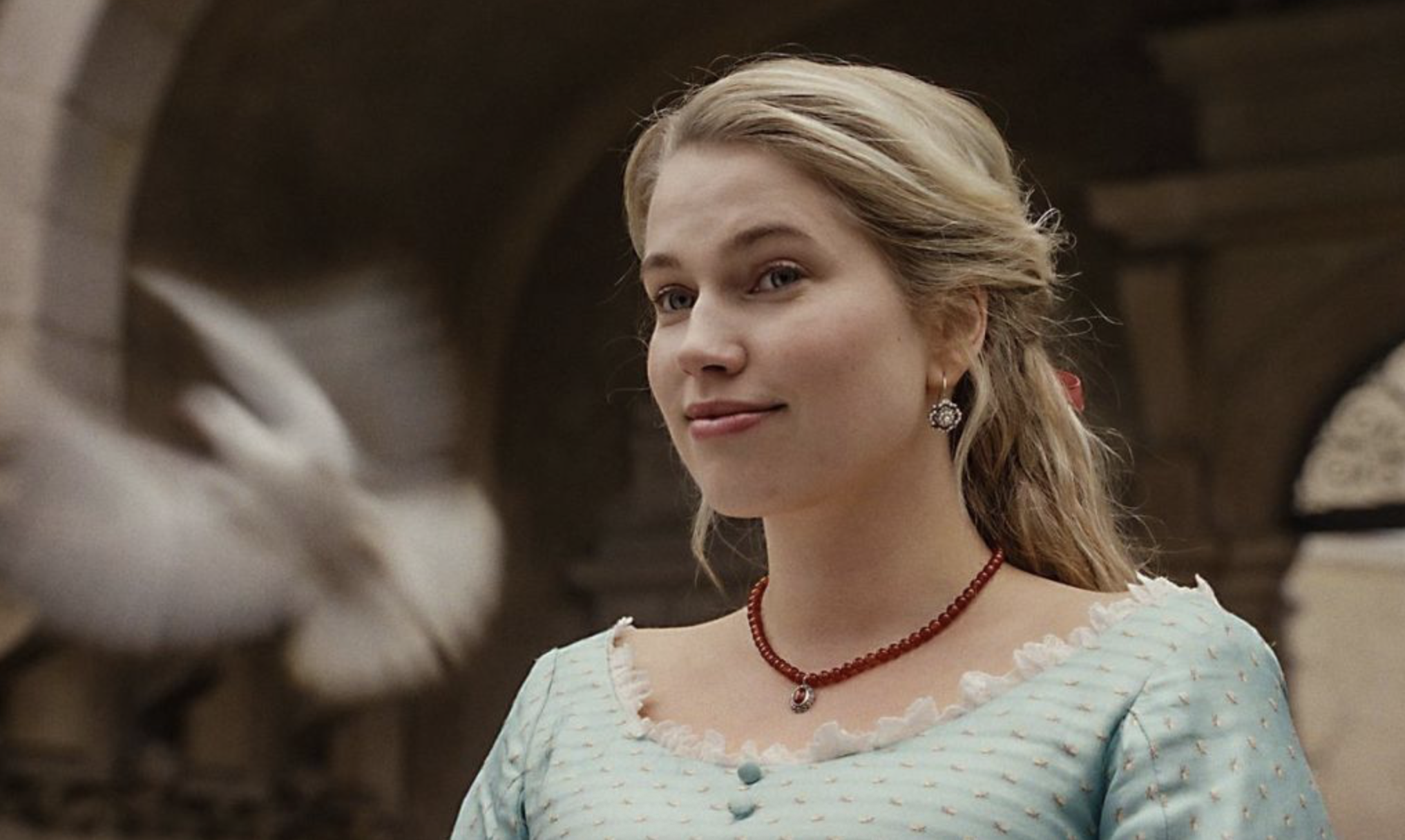
But who was this Agnes person? She was a kind and beautiful young woman, level-headed, well-mannered, hopeful, smart, traditional, religious, resilient, and, most importantly, a good daughter. She was also madly in-love with the stable boy and enjoyed a full, mature relationship with him (even though he and Agnes knew she would end up marrying someone much better than him, someone like a prince). When her father died, she mourned him deeply, but continued being kind. When she was made the house maid as punishment by her new stepmother for getting caught sleeping with the stable boy, she kept her head up high, worked hard, and remained being kind. Whenever she was kept isolated (no more school or ballet classes, no royal ball either) and heartbroken (the stable boy was fired and cast out of the manor), she sang quietly in gratitude and made the farm animals—her faithful work companions—her new friends, and remained kind.

Agnes was ordered by her stepmother to do personal tasks for Elvira which reduced her to a mere servant. Elvira, in disdain, mocked her and called her by the vile name of Cinderella (meaning, dirty girl by the cinders) and rejoiced in humiliating her. Elvira, in red-hot jealousy, celebrated Agnes misery. Agnes did not react, but simply kept busy and carried on. Later, when Agnes was aggressively harassed by Elvira’s ballgown dressmaker, she firmly refused his brutish advances and spat on his face; in return, he called her a whore and slapped her with force, but she did not react further, just got up and moved on.  

Then, before the big day at the royal ball, and in the middle of the night while everyone was sleeping, a nostalgic Agnes quietly retrieved her old blue dress and baby shoes, but Elvira, after binge eating again in secret to satiate the tapeworm inside her, caught Agnes in the act and took the dress away from her and tore it, rendering it unwearable. Brokenhearted, Agnes ran into the room where her father’s decaying corpse was (the stepmother did not spend a penny on a proper burial), and cried and held tight to her chest the destroyed dress, she cried and pleaded to her dead father and mother, she cried some more and prayed and prayed… when all of the sudden her guardian angel (her mom’s spirit) showed up and magically repaired the dress and made it into a full evening gown, and transformed the old baby shoes into delicate heels for the ball. This was the classic Cinderella moment: an impossible wish granted, and a warning given—you shall be back before midnight.

Wait a second. What happened to Elvira? In short, she went crazy when the prince chose Agnes instead of her. All the pain and suffering she endured during those few past months were for naught. She was not the same person she was before; now she was mean, unpleasant, entitled, bitter, angry, and, the worst part, ugly on the inside. And ugly on the outside, too, thanks to her mental breakdown making her cut her own foot, falling down a flight of stairs and breaking her nose, chipping her teeth, losing the lashes and the wig. And do not forget the nasty tapeworm; when she finally and violently threw it up, it took all the light out of her eyes. Poor girl. She looked like a wretched old hag, like the hunchback of Notre Dame. Sad. This was her deformed and disabled final form – what a waste of a happy girl!

So yes, the moral of the story was to stay true to yourself (like Agnes) in order to have a chance at happiness, and to work with what you already have (looking at you, original Elvira) because it is yours and yours only. Clear and to the point. Goodbye.

In Love and Fear,

—Marath

© 2016-2025

My First Taste of Horror – LA HORA MARCADA (1988-1990)

This shouldn’t take long. That is what I told myself when I stumbled upon old episodes of La Hora Marcada (1988-1990) on ViX (not a sponsor). I thought I could put a pause on my day and rewatch an episode or two of the Mexican horror tv show I remembered watching with my family as a child. There were several episodes available for streaming and quickly realized I was wrong and it would indeed take long; my day was then not only shot, but my brain was rendered useless as well, the avalanche of nostalgic memories flooding my mind being the one to blame.

Hello, dear horror friend, hope you are doing well, thank you for being here. Today I would like to share with you a piece of my childhood, of my first taste of horror. But before we begin, let’s acknowledge that decades-long memory could be a tricky thing and may sometimes be confused with fabrications by a vivid imagination and strong emotional reactions. The latter being where I stand in this moment. Even though I feel that La Hora Marcada was where I got my first tv scare as a child, I cannot accept such an absolute proclamation with a straight face as there were many movies and tv shows watched at our childhood home; however, what I can say with total clarity is that I remember how much I both dreaded and looked forward to watching—every week and without exception—the scary show with the scary music and the scary stories.

Oh man, the creepy music from the opening credits was such a trigger for me: the confusing feeling came from my belly when listening to those first notes (I remember that, I hate that I remember that, I shouldn’t remember that), also, the black and white title images with the women and the blood were grotesque and beautiful to me (the ambivalence was strange, but good, always good). Being scared, or rather, wanting to be scared at such a young age must have been a challenge, a rebellion, not against my family but against myself. I have always been a stickler for rules (right or wrong, good or bad, black or white), but I now find it interesting that my young self chose to go for that which confused her, which made no sense in her logical mind, but that felt good in her body.

Fabricated fear feels good because you are absorbed by its darkness without consequences. I am watching you being in danger, but you are not in danger, we know you are not in danger, but for a moment we are both agreeing that you are, it’s all pretend, it’s all safe. This fake reality makes me care for you, hurt for you (and fear for me), but it’s all pretend, you are safe (and I am safe).

Now that I have put this into writing, I can much easily articulate the reason behind my ongoing love and attraction to horror: because I enjoy the risk-free and ambivalent nature of it. Things do not need to make sense to be safe, characters do not have to be perfect to be happy, the worst in life can coexist just fine. Horror is repulsive and exciting, not repulsive or exciting, it is both, it is everything. 

Okay, so ViX is streaming right now for free twenty-five of the original eighty-plus horror anthology episodes from the 80’s and, unfortunately for me, they did not include the single one episode that I remember liking, scratch that, obsessing over so much as a kid, alas, a low-resolution version of it was found on YouTube (below).

This is the moment when I tell you that it was sobering to rewatch “En Espera de la Noche” with a set of mature eyes and an educated (and evolved) horror perspective. Young Marath was terrified and captivated by the female Vampire, but current Marath is beyond mortified and quite literally laughing at it all. Oh, to be young and naïve… the memories are still precious though, and will cherish them forever. Cheers!

In Love and Fear,

—Marath

© 2016-2024